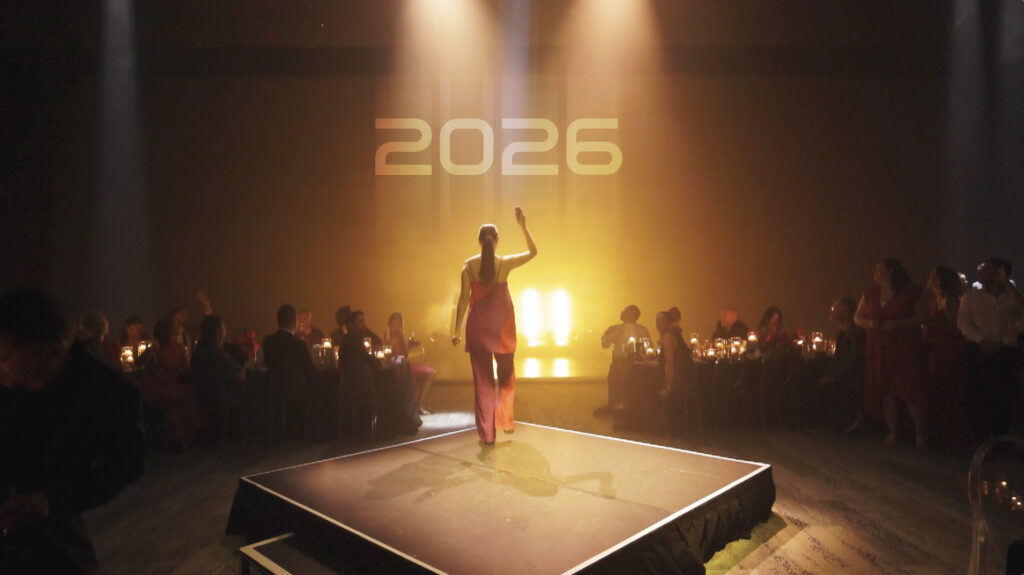
As the year draws to a close, it’s a great opportunity for organisations to reflect on what’s been achieved, recognise their people and celebrate the moments that have shaped the past 12 months.
Around this time every year, we start receiving enquiries from businesses looking to produce an end-of-year video. Some are planning a big staff celebration, others want to share their achievements with teams spread across the country, while some are simply looking for a meaningful way to say thank you.
Having produced end-of-year videos for organisations across a wide range of industries, I’ve seen just how different these projects can be. Some are upbeat, energetic highlights reels packed with photos, video footage and music. Others take a more reflective approach, focusing on significant milestones, challenges overcome and the people who made it all happen.
But regardless of the style, the most successful end-of-year videos have something in common. They make people feel part of something.
Why create an end-of-year video?
Throughout the year, businesses are busy doing what they do. Projects are completed, targets are achieved, events take place, new team members join and countless small wins happen along the way.
But it’s easy to lose sight of just how much has happened over 12 months.
An end-of-year video brings those moments together into one engaging story. It’s an opportunity to step away from the day-to-day operations and reflect on the bigger picture.
And importantly, it’s not just about business performance.
It’s about recognising the people, celebrating the culture, acknowledging the challenges and sharing the experiences that have shaped the year.
For organisations with multiple offices, stores, facilities or operations across Australia (or even internationally), these videos can be particularly valuable. They help connect teams who may rarely interact and give everyone a better understanding of what’s happening across the wider organisation.
There’s something quite powerful about seeing your colleagues, your workplace or even yourself featured on screen as part of a collective achievement.
Who is your end-of-year video for?
One of the first things I consider when planning an end-of-year video is the audience.
Is it being produced for an internal staff celebration? Will it be shared with employees across multiple locations? Is it intended for business partners and stakeholders? Or will it also be published externally on LinkedIn, the company website or social media?
The audience influences everything from the messaging and tone to the duration, music and visual style.
An internal video can be more personal, informal and fun. It might include team celebrations, behind-the-scenes moments, staff activities and even a little humour.
A video intended for external stakeholders may place greater emphasis on business milestones, community impact, customer outcomes and the organisation’s broader achievements.
And sometimes, one video can serve multiple audiences, or be adapted into different versions.
There’s no single formula. It’s about understanding what you want people to feel, learn or remember after watching.
What should you include in an end-of-year video?
The great thing about these projects is that much of the content already exists.
Over the course of a year, most organisations accumulate a substantial collection of photos, videos, presentations, statistics and stories. The challenge is bringing all these elements together into something cohesive and engaging.
Some of the content worth considering includes:
- People and team celebrations: Staff events, team activities, volunteering, awards, social gatherings and candid moments throughout the year.
- Business milestones: Major projects, new locations, product launches, partnerships, achievements and operational improvements.
- Key statistics: Sales performance, customer growth, safety achievements, training participation, community contributions or other meaningful measures of success.
- Photos and video footage: Content captured throughout the year, including professional footage, event photography and images supplied by employees across different locations.
- Recognition and appreciation: Celebrating individuals, departments and teams whose contributions deserve acknowledgement.
- Community and social impact: Charity initiatives, volunteering, sustainability activities and partnerships that demonstrate the organisation’s values beyond its commercial operations.
- Looking ahead: A positive message about the opportunities, priorities and exciting developments planned for the coming year.
Not everything needs to be included. In fact, knowing what to leave out is just as important.
The goal isn’t to squeeze 12 months of activity into a few minutes. It’s to select the moments that best represent the year and create a video people genuinely enjoy watching.
Different industries, different stories
Over the years, we’ve produced end-of-year videos for organisations across a variety of sectors. While the underlying purpose is often similar, the content and storytelling approach can be quite different.
Retail: Bringing a nationwide team together
For a national retail business, an end-of-year video can be a great way to connect employees working across stores, distribution centres, operations and support offices.
These teams may be geographically separated and have very different day-to-day experiences, but they’re all contributing to the same organisation.
The video becomes an opportunity to recognise everyone’s contribution.
It might showcase store openings, team celebrations, major sales events, operational achievements, community initiatives and the people behind the scenes who help keep everything running.
For these projects, I particularly enjoy incorporating photos supplied by teams from around the country.
There’s often a wonderful variety of images, from professionally captured events to spontaneous team photos taken on someone’s phone.
And that’s part of the appeal. Not everything needs to look like a polished corporate production. Sometimes the most authentic moments are the ones people capture themselves.
Healthcare: Celebrating achievements across multiple sites
Healthcare organisations often have a tremendous amount to reflect on at the end of the year.
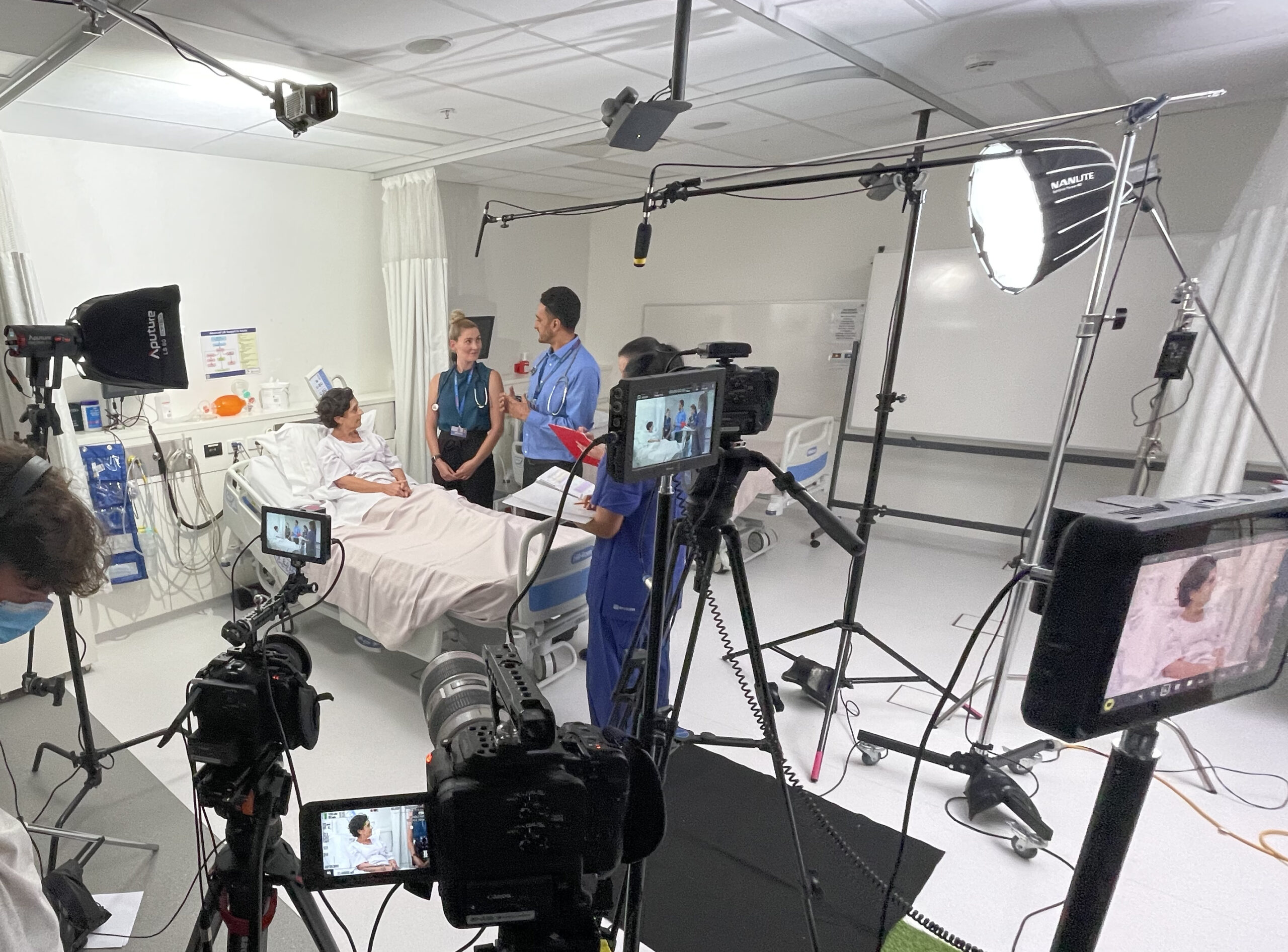
We’ve worked on videos that bring together achievements and key statistics from different healthcare facilities across Australia, supported by photos from local teams and video footage we’ve captured throughout the year.
The content might highlight patient care, workforce development, safety improvements, new initiatives, staff recognition and the many contributions made by people across the organisation.
When combined with engaging graphics, dynamic music and a well-paced edit, what could otherwise be a lengthy annual report becomes something far more accessible and enjoyable.
It’s also a chance for staff at one location to see what their colleagues have been achieving elsewhere.
Financial Services: More than business results
For a financial services organisation, the end-of-year story might include business performance, educational initiatives, professional development, partnerships, industry events and key milestones.
But some of the most engaging content often comes from outside the core business activities.
Volunteering days, fundraising initiatives, team celebrations and community involvement can reveal a different side of an organisation.
These are the moments that help communicate workplace culture and demonstrate what the business values.
By combining these experiences with key achievements and statistics, the video becomes a more complete reflection of the year, rather than simply a summary of business performance.
What makes a successful end-of-year video?
From my experience, there are a few things that can make a real difference.
1. Make it about the people
Statistics and achievements are important, but people are what make these videos memorable.
Whenever possible, I encourage clients to include a broad representation of their teams, departments and locations.
For a large organisation, it might not be realistic to feature every individual, but the aim should be to make as many people as possible feel included.
There’s always a great reaction when someone spots themselves or a colleague on screen, particularly at a staff celebration.
2. Find the right balance between information and entertainment
An end-of-year video shouldn’t feel like sitting through a PowerPoint presentation.
Yes, there may be important statistics and business achievements to communicate, but they need to be presented in a way that’s visually engaging.
Animated numbers, bold text, short messages and carefully selected imagery can help communicate a lot of information without slowing down the video.
It’s about finding the right balance between celebrating achievements and keeping the audience entertained.
3. Music makes a huge difference
Music is one of the most important creative elements in these productions.
A well-chosen soundtrack can completely transform a collection of photos, footage and graphics into an energetic and uplifting experience.
I often look for music with a natural progression, something that builds momentum as the video moves through the year’s highlights.
But not every end-of-year video needs to be fast-paced and upbeat from beginning to end.
Some organisations have experienced challenging years, and the tone needs to reflect that. A more thoughtful soundtrack and measured pace can help acknowledge those experiences before finishing on a positive, forward-looking note.
The music should support the story, not dictate it.
4. Keep it moving
Pacing is critical.
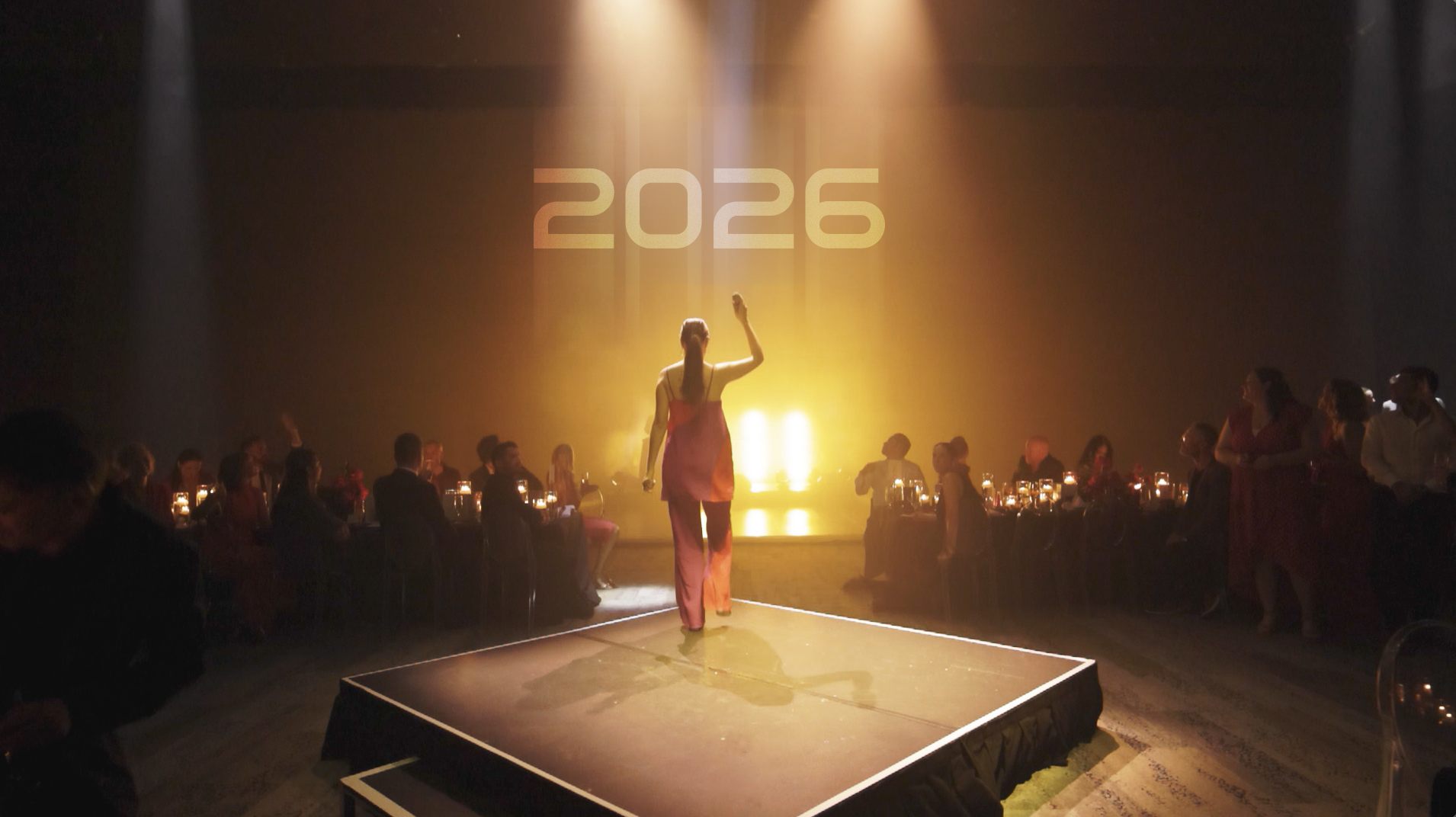
A successful end-of-year video needs to maintain the audience’s attention, particularly when it’s being screened at an event.
I like to create variety by combining photos, video footage, motion graphics, animated statistics and occasional changes in pace.
Even when working predominantly with still photographs, movement, transitions and thoughtful sequencing can create a dynamic result.
And while there’s no perfect duration, I generally find that a few well-crafted minutes are more effective than trying to include absolutely everything.
5. Give the video a sense of progression
Rather than simply presenting a random collection of highlights, I like to give the video some structure.
It might start with an introduction to the year, move through key achievements and memorable moments, recognise the people behind those successes and finish by looking ahead.
Comparing this year’s results with previous years can also be an effective way to demonstrate progress.
And ending with a message of appreciation or anticipation for the new year gives the video a satisfying conclusion.
You don’t necessarily need a new video shoot
One of the misconceptions about producing an end-of-year video is that it requires extensive new filming.
In many cases, that’s simply not necessary.
Some of the most engaging videos we’ve created have been produced primarily from existing photos, previously filmed video content, statistics and graphics.
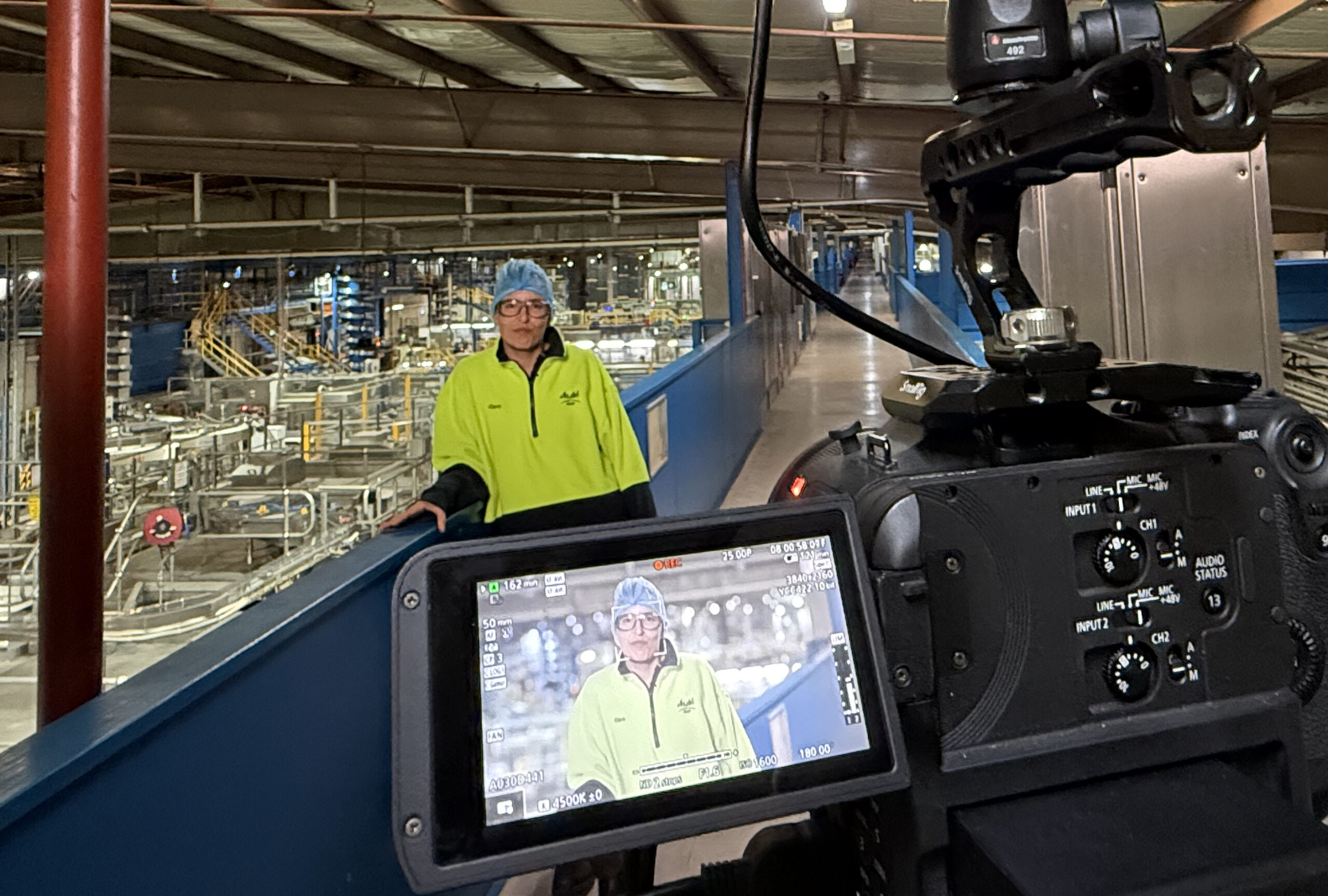
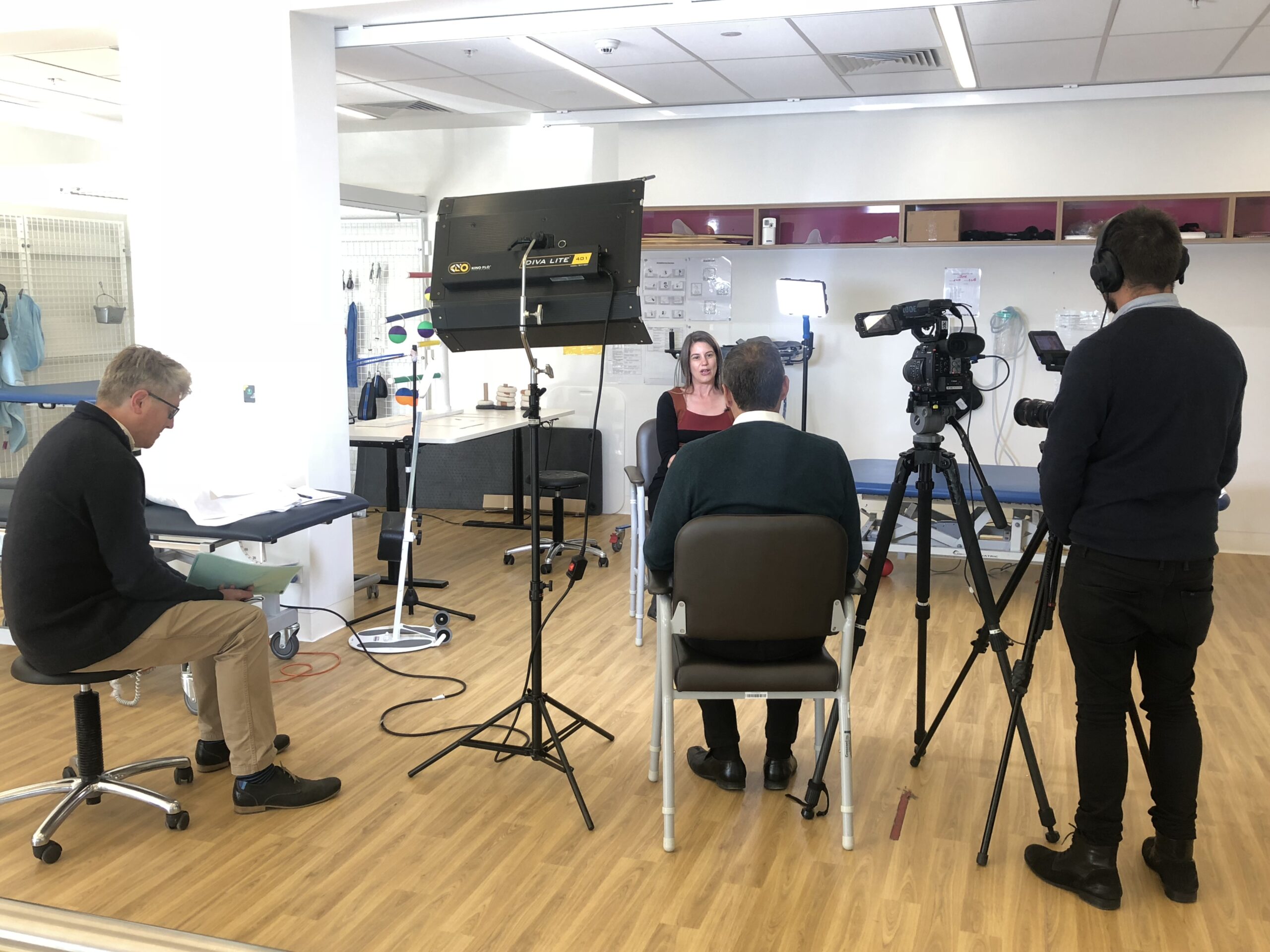
Of course, there may be opportunities to capture additional footage, such as a message from the CEO or leadership team, or some final workplace scenes to help complete the story.
But often the real creative work happens in the edit, taking a collection of content from different sources and transforming it into a cohesive production.
And that can be a very rewarding process.
Don’t leave it until the last minute
If there’s one piece of practical advice I’d offer, it’s to start gathering content early.
Even if the video itself is relatively straightforward, collecting photos, footage and statistics from different departments, locations and stakeholders can take longer than expected.
For organisations with operations across Australia or internationally, it helps to nominate someone to coordinate the content and establish clear deadlines for submissions.
It’s also worth thinking about where the finished video will be shown.
A video being screened at an end-of-year event may need to be delivered in a particular format or aspect ratio, while content intended for LinkedIn or internal communications might benefit from a shorter version or captions.
These are relatively simple considerations, but planning ahead makes the entire production process smoother.
A great way to finish the year
What I enjoy most about producing end-of-year videos is seeing how much they mean to the people watching them.
For a few minutes, everyone gets to step away from their individual responsibilities and see what they’ve collectively achieved.
It’s a chance to recognise the big milestones, celebrate the smaller moments, acknowledge the challenges and appreciate the people who made it all happen.
And while every organisation has a different story to tell, the objective is often the same: to finish the year with a sense of pride, connection and optimism about what’s ahead.
With the end of the year approaching, now is a good time to start thinking about the moments, achievements and people that deserve to be part of your organisation’s story.
Sometimes, when you bring it all together, you realise just how much there is to celebrate.