How to capture the knowledge of experienced employees and turn it into engaging workplace safety videos.
Every workplace has its unsung heroes.
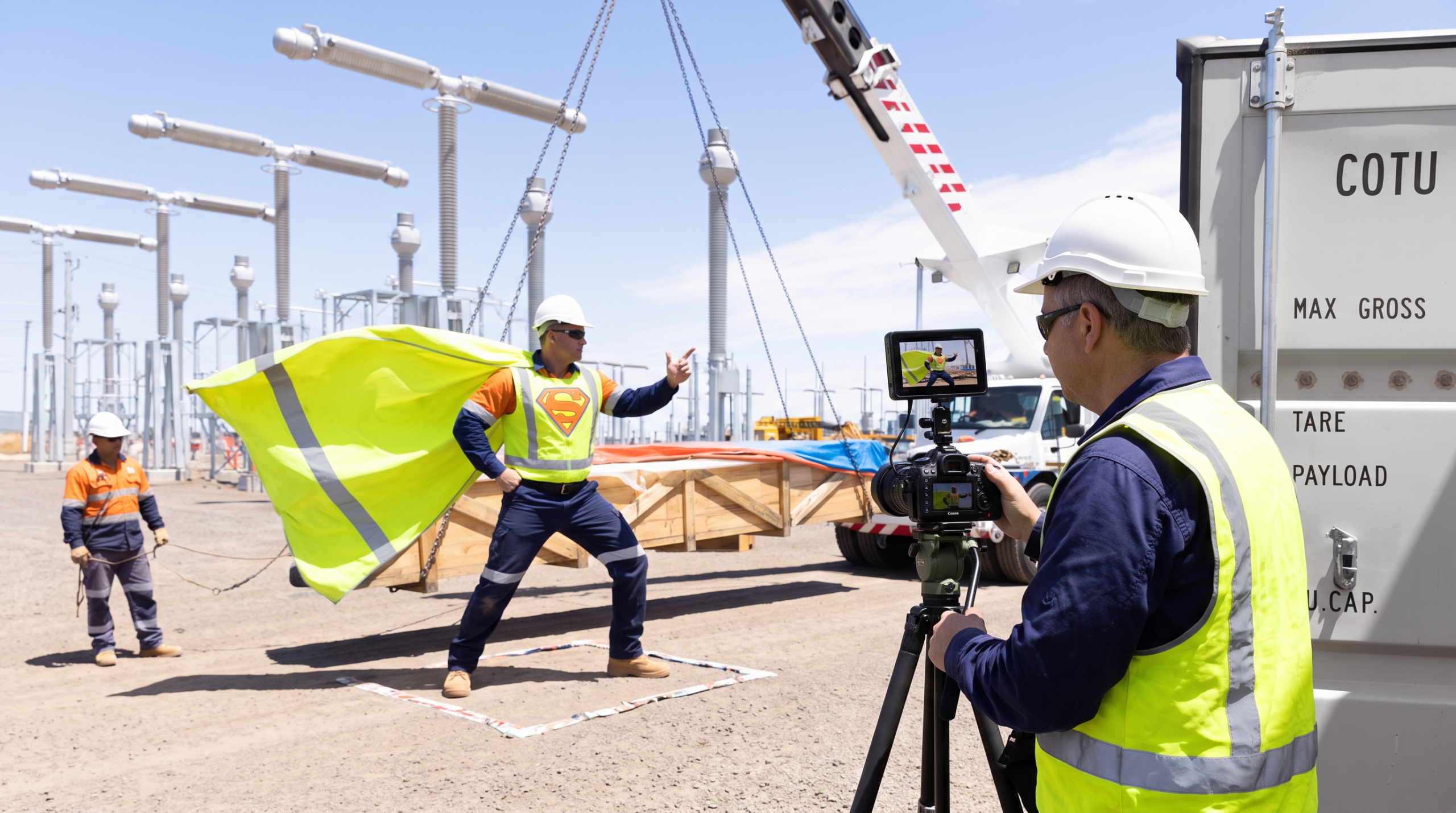
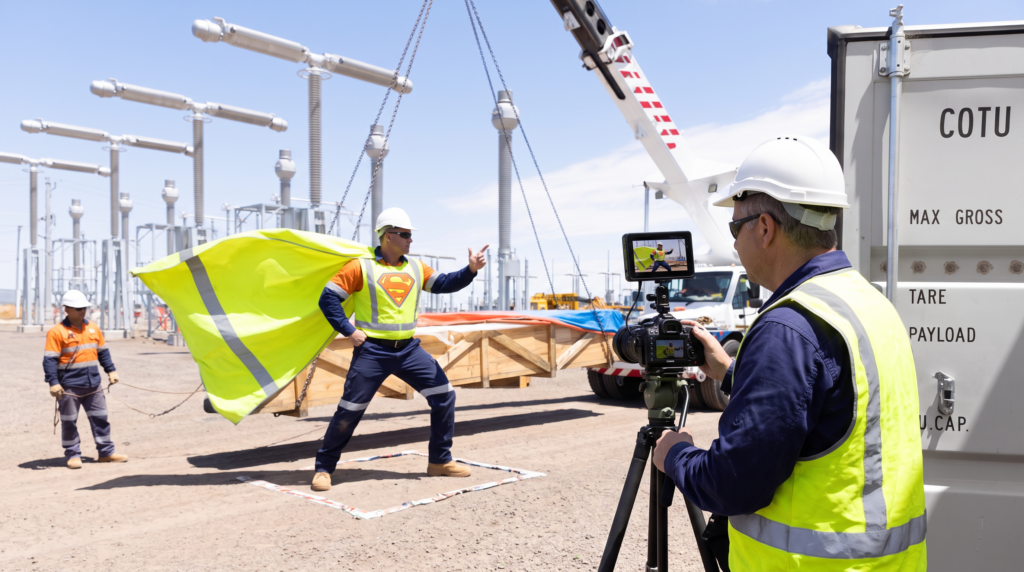
They’re not necessarily the people with the most impressive job titles, and they probably don’t wear capes.
They’re the experienced team members who know exactly what can go wrong with a piece of equipment. The supervisors who can spot a potential hazard before anyone else notices it. Or the employees who always take the time to show a new starter how to complete a task safely.
These people have something incredibly valuable: practical knowledge gained through years of experience.
They understand not just how a job should be done, but why certain procedures matter, where mistakes are most likely to happen and what can make the difference between a safe working environment and a potentially dangerous situation.
But here’s an important question.
How much of that knowledge is being shared across your organisation?
And what happens when those experienced employees aren’t available to pass it on?
This is where workplace safety videos can play an important role.
Your most valuable safety knowledge might already be in your workplace
When organisations begin planning workplace safety or training videos, they often start with existing documentation.
There might be standard operating procedures (SOPs), safety manuals, induction materials, risk assessments and detailed instructions explaining how tasks should be performed.
These documents are important. They provide the foundation for safe and consistent working practices.
But there’s another valuable source of information that can sometimes be overlooked: the people who carry out those procedures every day.
Experienced employees often have insights that go beyond what’s written in a manual.
They know which parts of a procedure people tend to misunderstand. They recognise the shortcuts that can introduce unnecessary risks. And they’ve often developed practical ways of explaining complex tasks to new employees.
This doesn’t mean their experience should replace approved safety procedures. Rather, their knowledge can help bring those procedures to life.
By involving experienced employees in the development of safety videos, organisations can create content that’s more practical, relevant and relatable to the people watching.
Who are your workplace safety heroes?
A workplace safety hero doesn’t have to be a safety manager or a senior leader.
In fact, some of the best contributors to workplace safety videos are the people working directly with equipment, processes and procedures.
They might include:
- Experienced operators who understand the critical steps involved in using machinery and equipment safely.
- Supervisors and team leaders who regularly guide employees through procedures and identify common mistakes.
- Long-serving employees who have developed extensive practical knowledge of particular tasks or working environments.
- Workplace trainers and mentors who know how to explain procedures clearly and support people learning new skills.
- Health and safety representatives who understand the concerns and experiences of employees on the ground.
These people are often referred to as subject-matter experts, or SMEs.
Their value isn’t necessarily that they’re confident presenters or experienced communicators.
It’s that they understand the subject.
And that’s an important distinction when planning video content.
You don’t need to find someone who’s comfortable delivering a polished presentation to camera. You need to find the people who hold the knowledge, then work out the best way to communicate it.
Start with a conversation, not a camera
One of the most useful lessons I’ve learnt through years of producing workplace training and safety videos is that the best starting point is often a conversation.
Before thinking about filming locations, presenters or scripts, spend time talking with the people who understand the work.
Ask them to explain a task or procedure in their own words.
Find out what they consider the most important steps, what new employees commonly struggle with and which mistakes could have serious consequences.
Some useful questions include:
- What does someone need to know before attempting this task?
- Which steps are particularly important for safety?
- What are the most common mistakes or misunderstandings?
- Are there particular hazards or situations people need to recognise?
- What would you want every new employee to understand before starting?
- What parts of this procedure would be easier to demonstrate than explain?
These conversations can reveal valuable information about how to structure a video and what needs to be shown.
They can also help identify areas where existing documentation needs clarification.
Of course, any information intended for safety training should be checked against the organisation’s approved procedures and reviewed by the appropriate safety personnel before it’s incorporated into the finished content.
The goal is to combine practical experience with accurate, approved information.
Turning expert knowledge into engaging safety videos
Once you’ve identified the right people and gathered their knowledge, the next step is deciding how to communicate it.
And this is where video has some distinct advantages.
Written instructions can explain a procedure, but video can actually show people what it looks like.
It can demonstrate the correct sequence of steps, highlight potential hazards, show the positioning of equipment and illustrate what employees should be looking for.
Depending on the subject, there are several ways to approach this.
1. Practical demonstrations
For tasks involving machinery, equipment or physical procedures, demonstrations are often one of the clearest ways to communicate information.
An experienced employee can perform the procedure while the production team captures the important steps.
Close-up footage can highlight details that might be difficult to see during a live demonstration, while graphics or narration can reinforce key information.
The important thing is to ensure the procedure is demonstrated correctly, with appropriate supervision and safety controls in place during filming.
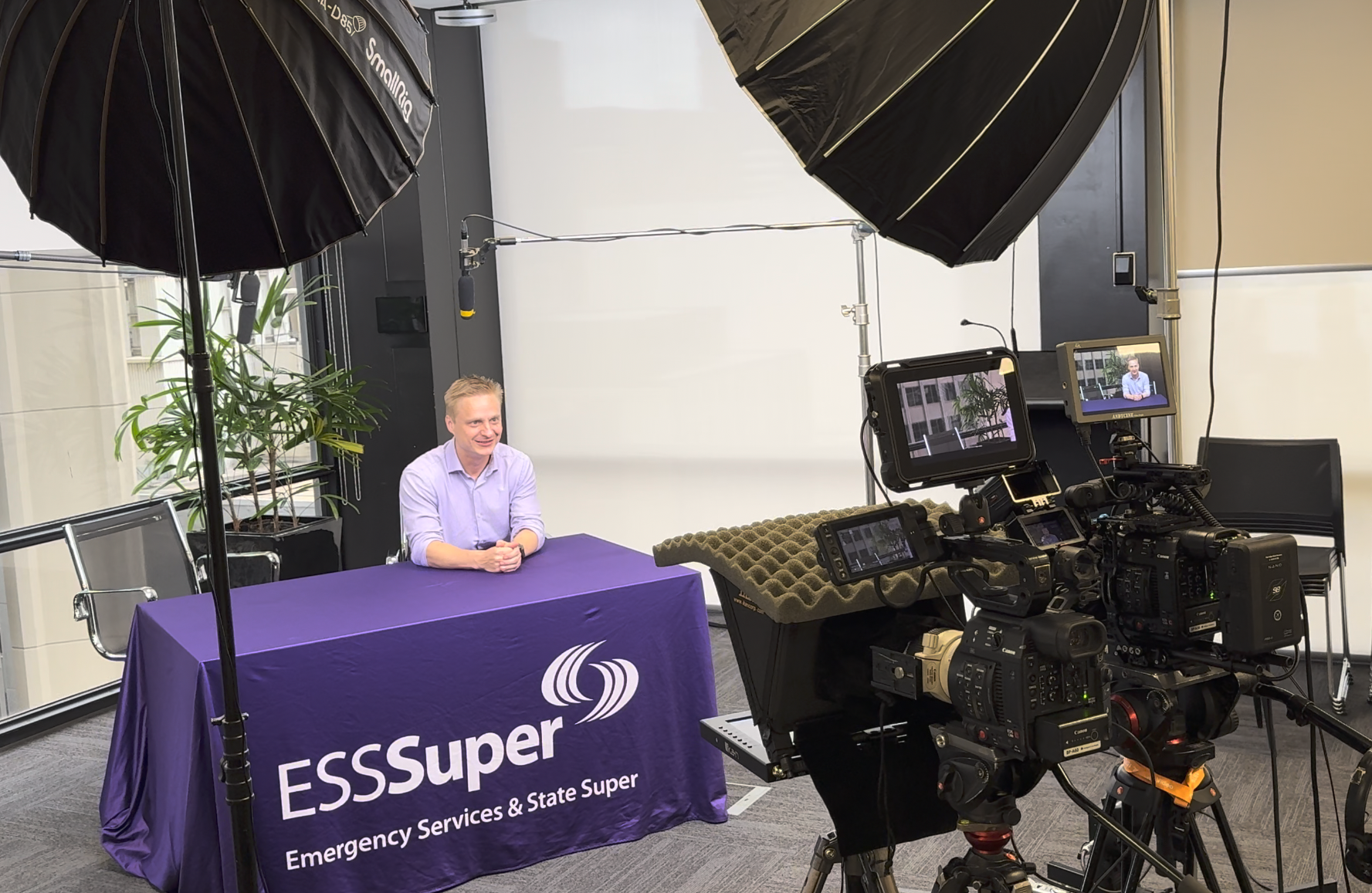
2. Interviews with experienced employees
Sometimes the most valuable information isn’t a step-by-step procedure.
It’s an explanation of why something matters.
An experienced employee might describe a common misunderstanding, explain the importance of a particular precaution or share lessons learnt through their work.
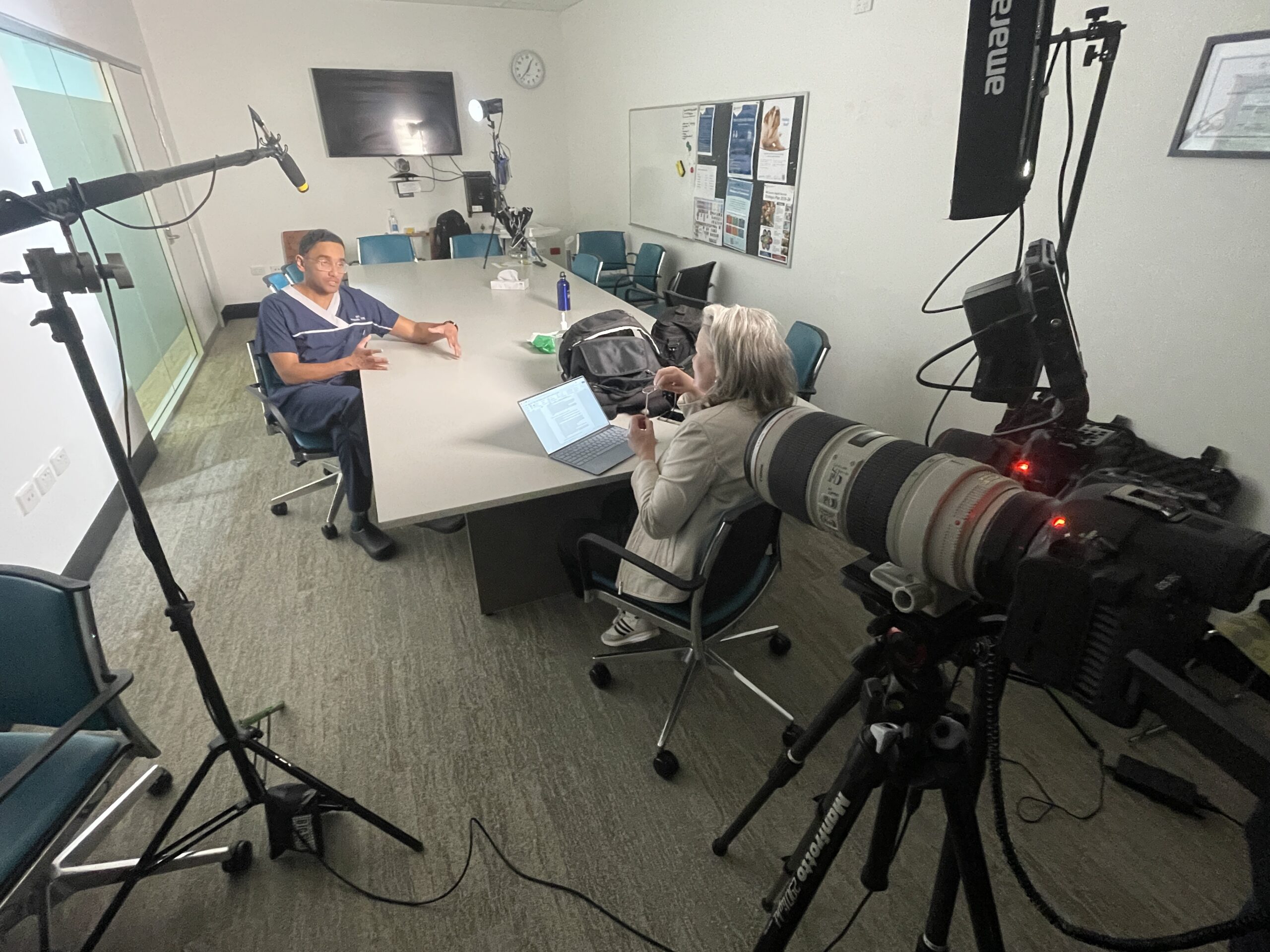
A short, well-planned interview can make this information more personal and relatable.
And because the person is speaking from genuine experience, the message can feel more authentic than a generic corporate presentation.
3. Real workplace scenarios
Another effective approach is to show realistic situations that employees might encounter.
These could involve recognising hazards, responding to an unexpected situation or understanding the consequences of missing an important step.
Using familiar environments, equipment and work activities can help viewers connect the information to their own roles.
These scenarios should be carefully planned and reviewed so they reinforce approved safe practices without exposing anyone to unnecessary risk during production.
4. Narration, graphics and animation
Not every subject-matter expert needs to appear on camera.
Sometimes the best approach is to use their knowledge to develop a script, then combine narration with practical footage, diagrams, animation or on-screen text.
This can be particularly useful when explaining complex processes, showing information that isn’t easily filmed or illustrating situations that would be unsafe to recreate.
The objective isn’t to make the production unnecessarily elaborate.
It’s to choose the format that makes the information easiest to understand.
Why authentic people and real workplaces matter
One of the challenges with workplace safety communication is making the content feel relevant to the audience.
Employees are more likely to recognise the connection to their own work when videos feature familiar environments, equipment and realistic situations.
There’s also value in involving the people who understand the organisation’s operations.
A colleague demonstrating an approved procedure in an actual workplace can provide context that generic stock footage or a scripted presentation may not offer.
It also shows that the organisation values the knowledge and experience of its employees.
That doesn’t mean every video needs to feature staff speaking directly to camera.
Some people are excellent at demonstrating a procedure but uncomfortable presenting. Others are happy to be interviewed but don’t want to memorise a script.
An experienced production team can work around those preferences.
For example, we might interview a subject-matter expert to gather the information, then use that conversation to develop a clear script for a professional narrator.
Or we might film an employee performing a task, using close-ups and supporting footage to communicate the important steps without requiring them to speak on camera.
The knowledge is what matters. The presentation format can be adapted to suit the person and the subject.
Sharing consistent safety knowledge across multiple locations
For organisations operating across different sites, branches or facilities, communicating consistent procedures can be a significant challenge.
Different teams may have different levels of experience, and the way information is explained can vary depending on who’s delivering the training.
Video can help by providing a consistent reference point.
When a procedure is carefully documented and demonstrated on video, employees across different locations can access the same explanation and visual examples.
This can be particularly useful for:
- Employee and contractor inductions.
- Equipment operation and procedural demonstrations.
- Refresher training.
- Introducing updated workplace procedures.
- Supporting supervisors and workplace trainers.
- Reinforcing important safety messages.
Video doesn’t replace practical instruction, supervision, competency assessments or site-specific requirements.
But it can provide a valuable resource that supports those activities and helps reinforce approved procedures.
It can also reduce the need for experienced employees to repeatedly explain the same foundational information, allowing them to spend more time supporting practical learning and answering specific questions.
Plan for more than one video
Another consideration is how to organise the knowledge you’ve gathered.
When organisations begin exploring their safety training requirements, it’s tempting to try to fit everything into one comprehensive video.
But a single lengthy video isn’t always the most useful approach.
In many cases, breaking the information into shorter, clearly defined topics makes the content easier to navigate, update and reuse.
For example, instead of producing one long video covering every aspect of a particular piece of equipment, you might develop separate videos addressing:
- Pre-operation checks.
- Safe setup and preparation.
- Correct operating procedures.
- Common hazards and precautions.
- Shutdown and cleaning procedures.
The appropriate breakdown will depend on the task, the risks involved and the organisation’s training requirements.
The advantage of planning content this way is that employees can return to specific information when needed, and individual videos can be updated when procedures change.
It also creates opportunities to capture related footage and demonstrations efficiently while the right people, equipment and locations are available.
Making the most of your subject-matter experts’ time
Experienced employees are often busy people.
They have operational responsibilities, and taking them away from their regular work to participate in video production can be difficult.
That’s why preparation is so important.
Before filming, it’s worth identifying the topics to be covered, the knowledge required and the people best placed to contribute.
Where possible, gather information through preliminary conversations, existing documents and structured questions.
This allows the production team to develop a clear plan before arriving on location.
It also helps avoid a common production problem: discovering halfway through filming that an important procedure, demonstration or piece of information has been overlooked.
A little extra planning can save considerable time during filming and editing.
And importantly, it makes the experience easier for the employees contributing their expertise.
How do you know whether your safety videos are working?
Producing a video is only part of the process.
It’s also worth considering what success looks like.
Video views and completion rates can tell you whether people are accessing the content, but they don’t necessarily tell you whether the information has been understood or applied.
Depending on the organisation and the purpose of the videos, there may be other useful measures.
For example:
- Can employees demonstrate that they understand the procedure?
- Are approved practices being followed more consistently?
- Are supervisors noticing fewer recurring misunderstandings?
- Do employees feel more confident about the tasks they’ve been trained to perform?
- Is the content being used effectively across different locations?
- Are there opportunities to improve the training based on employee feedback?
Over time, organisations may also look at broader safety and operational indicators, while recognising that these outcomes are influenced by many factors beyond video.
The important point is to think about the intended learning and behaviour before production begins.
That helps guide the content and provides a more meaningful way to assess its usefulness.
Your next safety video could start with someone already on your team
When planning workplace safety communication, it’s easy to focus immediately on the finished video.
What will it look like? How long should it be? Who will present it? Where will it be filmed?
Those are all useful questions.
But I’d suggest starting with something simpler.
Who in your organisation really understands the work you’re trying to explain?
Who knows the procedures inside out?
Who understands the common mistakes, the potential hazards and the details that make a difference?
And who has the practical experience that could help someone else learn to do the job safely?
Those people could be some of your most valuable contributors.
Their knowledge, combined with approved procedures, thoughtful planning and clear video production, can help create resources that support learning and reinforce safer working practices.
So before commissioning your next workplace safety video, have a look around your organisation.
You might already have the perfect workplace safety hero to help bring it to life.
How Visual Culture can help
At Visual Culture, we’ve spent many years helping organisations turn specialist knowledge, workplace procedures and complex information into clear, engaging video content.
We work with clients and their subject-matter experts to understand the information that needs to be communicated, plan the most effective approach and produce videos that make that knowledge easier to share.
From workplace safety and employee training to customer education and corporate communications, our focus is on creating content that helps people learn, understand and take action.
Planning a workplace safety or training video project?
We’d be happy to discuss what you’re trying to achieve and how we can help you turn your team’s expertise into practical, useful video content.
Explore our video production services or get in touch to discuss your project.