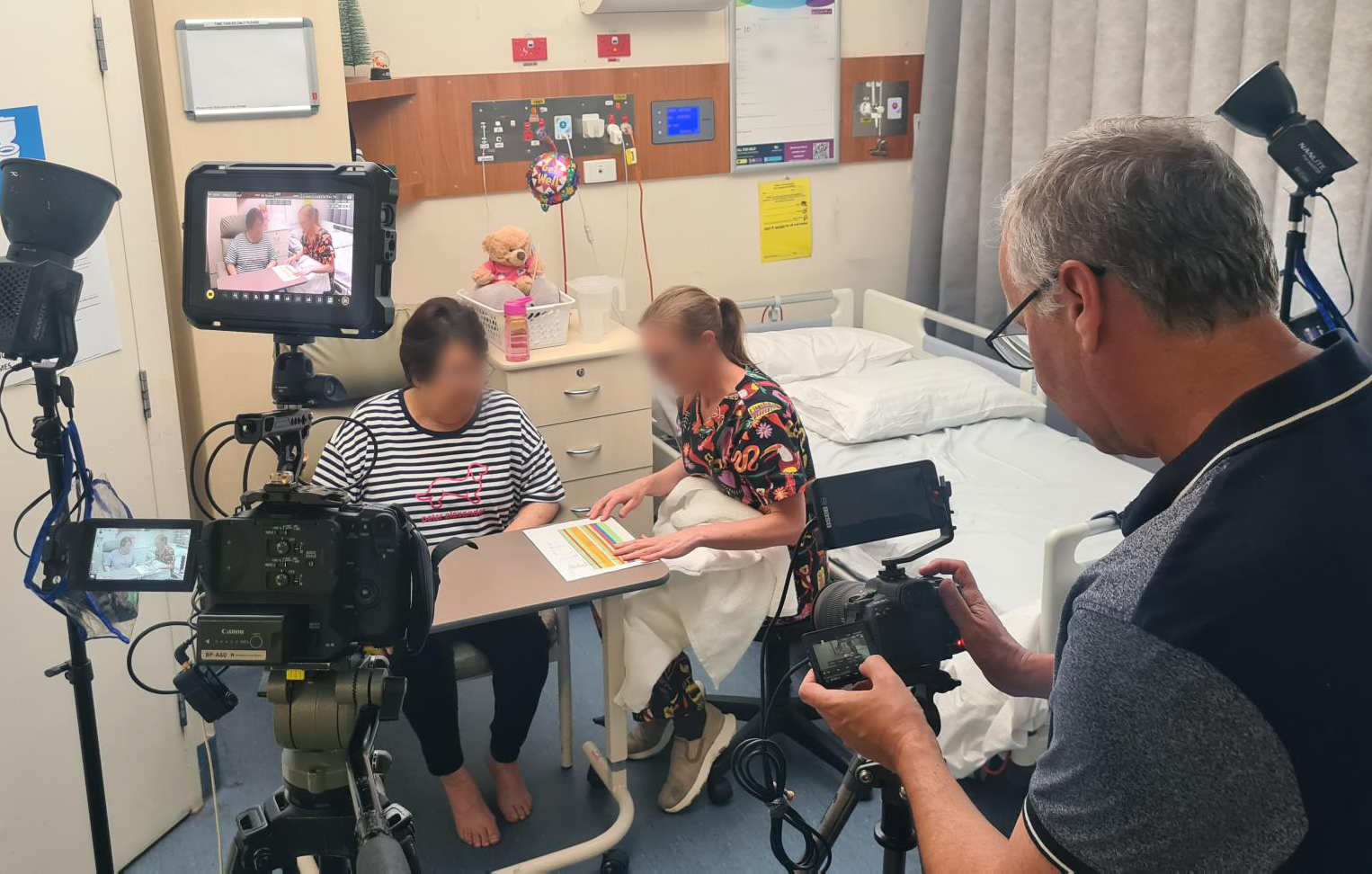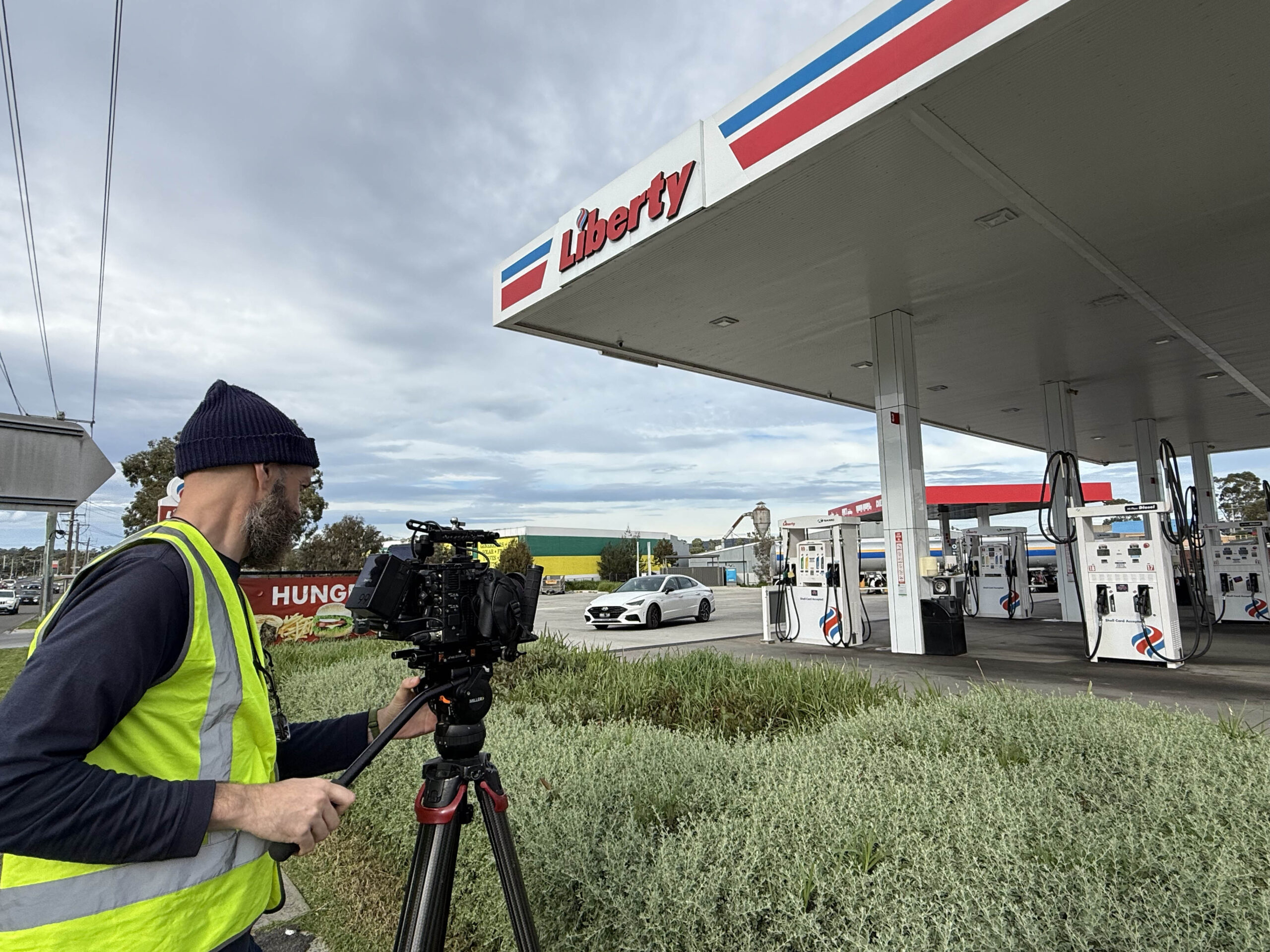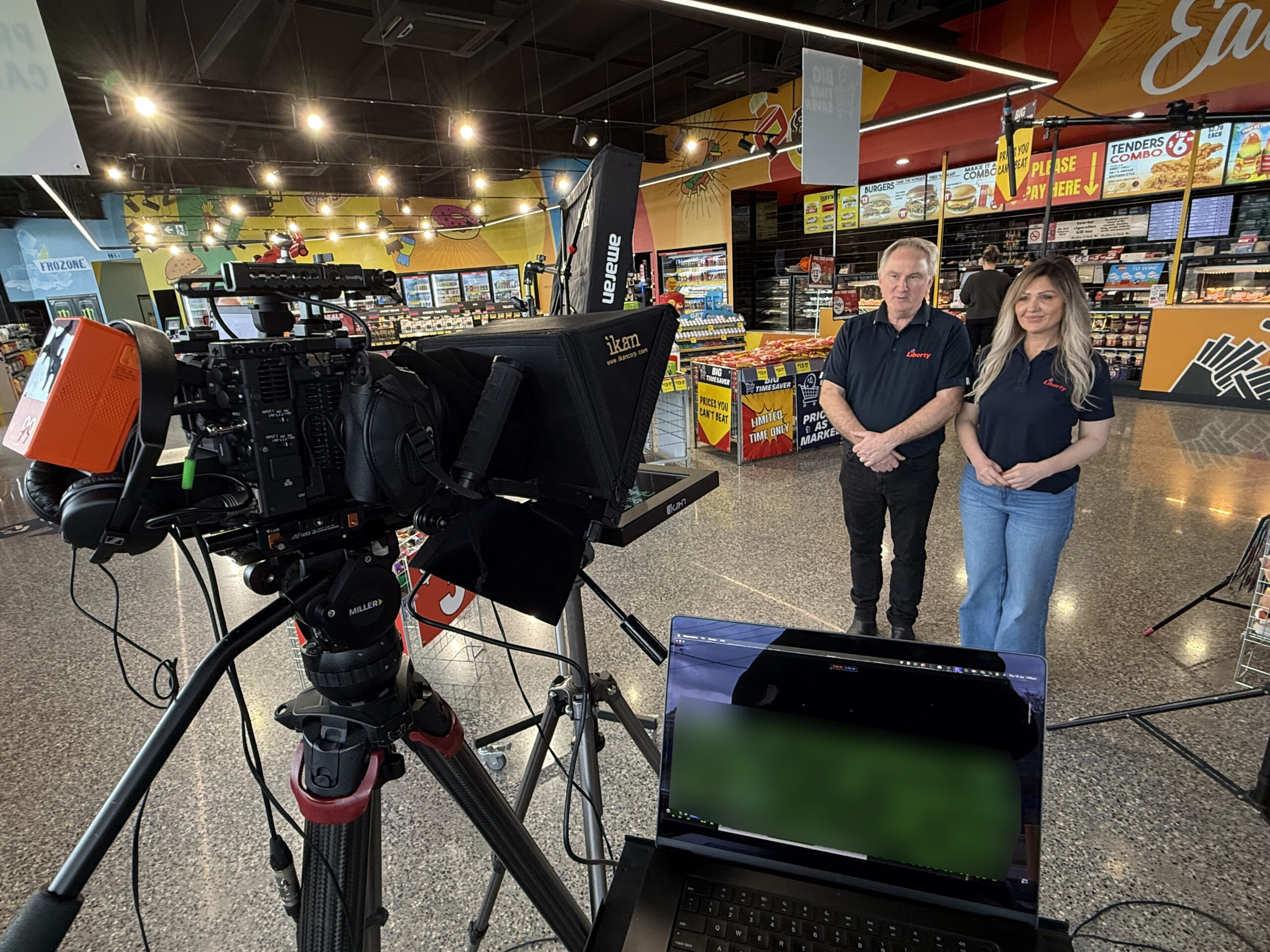
Your business already has one of the most valuable ingredients for creating great content: expertise.
Your team understands your products and services. They know the questions customers regularly ask, the areas that can cause confusion, and the information people need to make informed decisions.
The challenge is turning that knowledge into content that is clear, accessible and engaging.
That’s where customer education videos, podcasts and other professionally produced content can become an invaluable resource.
At Visual Culture, we regularly work with organisations to take their existing expertise and turn it into high-quality content designed to inform, explain and engage. Sometimes our clients arrive with the topics, scripts and supporting visuals already developed. Other times, they need our help developing the content from the beginning.
Either way, the objective is the same: to make valuable information easier for customers to understand and access.
Your expertise is the starting point
Customer education content doesn’t always need to begin with an external creative team developing ideas from scratch.
In fact, some of the most useful content comes directly from the people who understand the subject best.
Your organisation may already have presentations, FAQs, internal documents, diagrams, articles, webinars or other resources containing a wealth of useful information.
More importantly, your team has first-hand knowledge of your customers.
What questions are they asking?
What aspects of your service require further explanation?
Where do people commonly get confused?
What information would make their experience easier?
These questions can provide the foundation for an ongoing customer education content strategy.
The role of professional production is then to help transform that knowledge into content people will actually want to watch, listen to and engage with.
Turning complex information into accessible content
Not every topic can – or should – be explained in 30 seconds.
Some ideas are perfect for short, easily digestible videos. Others require a more detailed explanation.
The important thing is finding the right format for the information and the audience.
A good explainer video isn’t simply somebody reading a script to camera. There are many production elements that can make detailed information considerably easier to follow.
That might include animated graphics, full-screen visuals, text highlights, diagrams, chapter structures and other visual cues that reinforce what the presenter is saying.
This is particularly valuable when dealing with technical, financial or specialised information.
Rather than asking the audience to absorb everything from the spoken word alone, visual elements can help break down complicated concepts and draw attention to the information that matters most.
ESSSuper: turning specialist knowledge into a growing content library
Our ongoing work with ESSSuper is a great example of this approach.
Their team has the subject-matter expertise. They understand their members, their services and the questions people regularly ask.
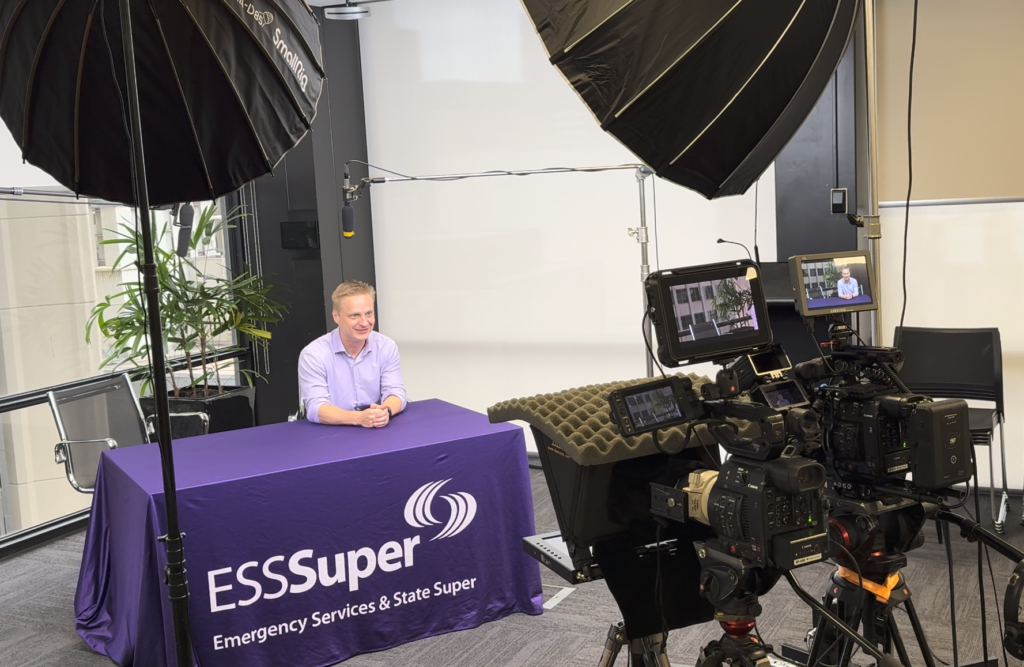
For their educational video content, ESSSuper identifies the topics, develops the scripts and supplies the relevant information and static visual material.
Visual Culture then provides the production expertise to turn those resources into finished video content.
That collaboration is important.
We’re not trying to replace the expertise that already exists within the organisation. Instead, our job is to help communicate that expertise as effectively as possible.
Putting your own specialists in front of the camera
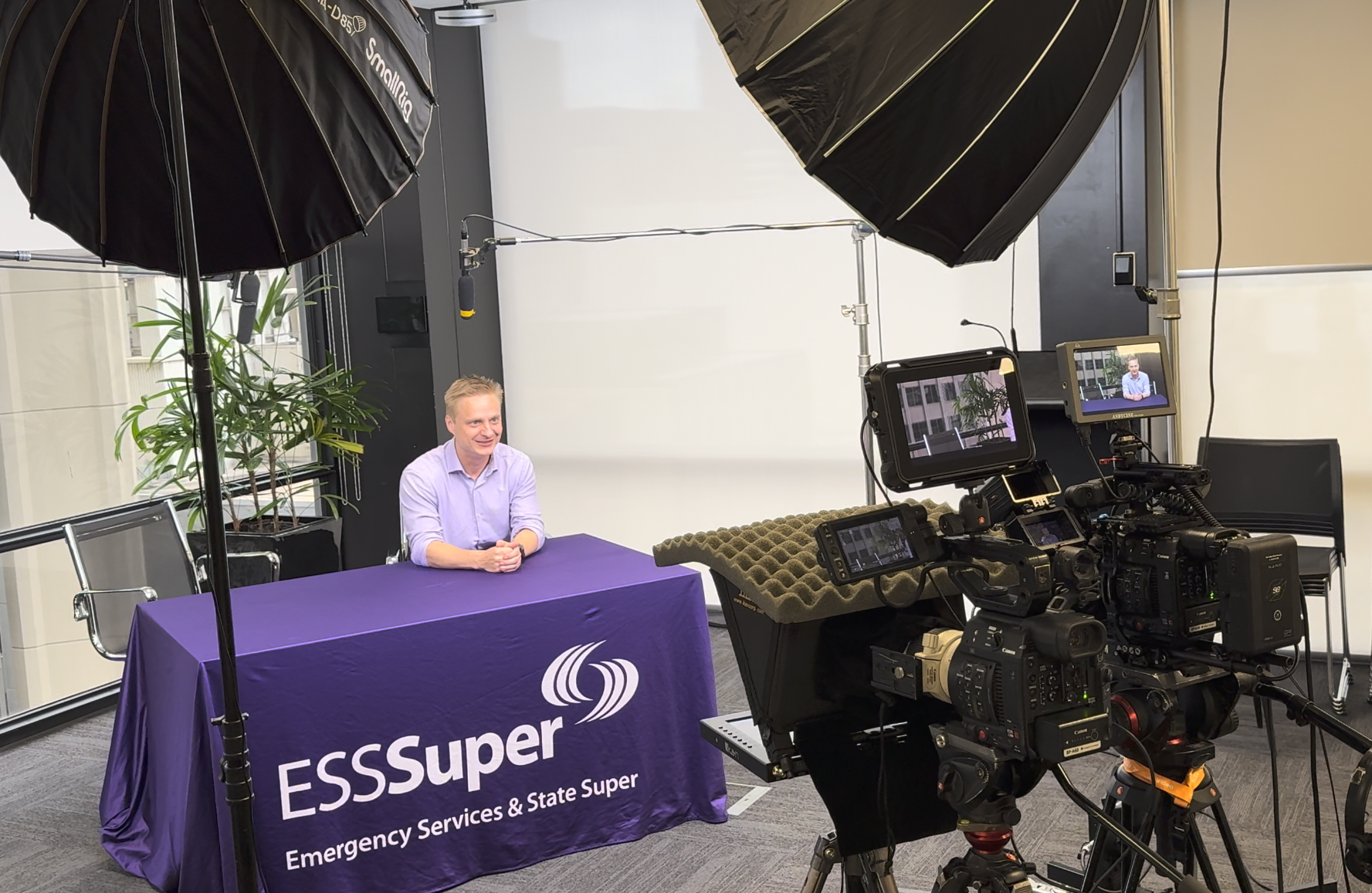
Another important aspect of the ESSSuper approach is that the presenters are their own team members and specialists.
There’s a real benefit to this.
Rather than relying on an external presenter to communicate specialised information, customers are hearing directly from the people who understand the subject and work within the organisation.
It creates authenticity while also helping customers become familiar with the people and expertise behind the brand.
Of course, being an expert in your field doesn’t automatically mean you’re accustomed to presenting scripted information to camera.
That’s another area where our production experience comes in.
We work with presenters throughout the filming process, providing direction and helping them feel comfortable in front of the camera. For scripted content, we use professional teleprompters so presenters can deliver detailed information accurately while still maintaining a natural connection with the audience.
The teleprompter also gives us greater flexibility in the edit. We can structure the recording efficiently, capture different sections and takes, and combine the presentation with graphics and other visual elements to create a much more dynamic finished video.
Bringing static information to life
Often, clients already have graphics, charts, diagrams or other visual material that contains exactly the information they want to communicate.
But something designed for a presentation or static document doesn’t necessarily translate directly to video.
With ESSSuper, we take the static visual material supplied by their team and adapt and animate it for the screen.
Instead of displaying a complicated graphic all at once, for example, information can be introduced progressively as the presenter discusses it.
Important figures can be highlighted. Diagrams can build on screen. Key messages can become full-screen graphics. Text and animation can direct the viewer’s attention to exactly where it needs to be.
These may seem like relatively small production decisions, but collectively they can make a significant difference to how easily information is understood.
And ultimately, that’s the objective.
The graphics aren’t there simply to make the video look good. They should help communicate the information.
Going beyond video with podcasts
Video isn’t the only format available for building a customer education library.
We also record and produce regular podcast episodes with the ESSSuper team, using professional recording equipment to create high-quality content that complements their video resources.
Podcasts provide an opportunity to approach customer education differently.
Where an explainer video might be carefully scripted and visually structured, a podcast can allow specialists to explore a subject in greater depth and have a more conversational discussion around a particular topic or service.
For ESSSuper, this includes episodes focused on specific subjects relevant to their members, as well as important quarterly updates exploring trends and news across the superannuation and financial industries.
This gives members access to both evergreen educational resources and more timely information and insights.
It also demonstrates why it can be useful to think beyond individual videos and consider the wider content library you’re creating.
Different subjects lend themselves to different formats, and customers consume information in different ways.
Creating content that continues working for you
One of the biggest advantages of customer education content is its potential lifespan.
Marketing campaigns often have a defined beginning and end. An advertisement may run for several weeks. A social campaign might be relevant for a particular promotion, product launch or event.
Good educational content can be different.
An explainer answering a common customer question could potentially remain useful for years.
Of course, information changes. Products and services evolve. Regulations change. Organisations update the way they operate.
Some content will inevitably need to be revised or replaced.
But where possible, we encourage clients to think about creating evergreen content: resources designed to remain relevant for as long as reasonably possible.
Over time, individual videos, podcasts and explainers can become a substantial library of information.
Instead of repeatedly answering the same questions from scratch, your organisation has a professional resource it can direct customers towards.
A video created today might be used on your website, sent directly to a customer, included in an email campaign, shared through social media, embedded in a knowledge centre or repurposed as part of future communications.
That makes customer education content much more than a one-off production.
It becomes an asset.
Supporting existing customers — and attracting new ones
The most obvious audience for customer education content is your existing customer base.
Useful resources can help people understand the services available to them, answer common questions and potentially make it easier for them to get the information they need without always having to contact someone directly.
But there’s another audience worth considering: your future customers.
People often research an organisation extensively before making contact or committing to a product or service.
A strong library of educational content can give those people a much clearer understanding of what you do and how you do it.
It also provides an opportunity to demonstrate your organisation’s expertise without simply telling people that you’re an expert.
By sharing useful knowledge, introducing your specialists and answering genuine customer questions, you’re giving potential customers an opportunity to experience some of the value your organisation provides before they become a customer.
Professional production reflects your brand
The information itself is obviously the most important element of customer education content.
But how that information is presented matters too.
If a video is difficult to hear, poorly lit, visually confusing or unnecessarily long, even excellent information can lose its impact.
Professional production helps ensure the quality of the presentation reflects the quality of the organisation behind it.
That doesn’t mean every piece of content needs to be elaborate.
Quite the opposite.
For educational content, production should support the message rather than overwhelm it.
Good lighting, clear audio, confident presentation, considered editing, effective graphics and appropriate animation all contribute to making the experience easier and more enjoyable for the viewer.
The production should help remove barriers between your expertise and your audience.
Different clients need different levels of support
The ESSSuper model is one we use with a number of our clients: the organisation brings the subject-matter expertise and much of the underlying content, and Visual Culture brings the production expertise required to turn it into professional video or podcast content.
But not every client starts at the same point.
Some organisations come to us with a finished script, presenter and graphics ready to go.
Others have a broad idea and need help determining what the content should actually be.
Visual Culture can support both approaches.
Depending on the project, that can include helping develop concepts, structuring content, scripting, designing graphics, planning a series, working with presenters, filming, recording professional audio, editing, animation and delivering the finished content for different platforms.
In many cases, the best approach sits somewhere in the middle.
Your team knows the subject. We know production. Bringing those two areas of expertise together is often what creates the strongest result.
Think about building a library, not just making a video
Perhaps the biggest shift is to stop thinking about customer education as a single piece of content.
Think about the questions your customers ask every week.
Think about the information your team repeatedly explains.
Think about the subjects that are difficult to communicate through text alone.
Then imagine gradually turning that knowledge into a library of professionally produced resources.
You don’t need to create everything at once.
Start with the topics that provide the greatest value to your customers and build from there.
Over time, that library can become an important part of your website, customer communications, social media and broader content strategy.
Because customer education content isn’t simply another marketing deliverable.
Done well, it becomes part of the service you provide.
And that makes it an investment that can continue delivering value long after the cameras have been packed away.