If you’re planning your marketing, training, or internal communication strategy for 2026, you already know that video content is essential. For nearly 30 years, Visual Culture has helped Melbourne organisations create meaningful, effective videos – producing more than 10,000 videos across corporate, healthcare, education, and not-for-profit sectors.
One question we hear more than any other is:
“How much does it cost to make a video?”
It’s a smart question — and an important one when budgeting your content for the year ahead. But the truth is that video production costs vary widely, and understanding those cost factors can help you plan more confidently.
In this blog, you’ll learn:
The real factors that influence video production cost
Why it’s not as simple as “showing up with a camera”
How pre-production, production and post-production shape your final budget
What to expect when filming in Melbourne in 2026
Why planning your content for the year — not just individual videos — can save money
And most importantly…
Seven scenario-based cost summaries you can compare side by side
You’ll see clear examples of typical projects we produce at Visual Culture, complete with realistic price ranges:
Edit-only videos
Recruitment and meet-the-team packages
Learning and course content
Case study videos
Video podcast setups
Full event coverage
Event highlight reels
These examples reflect the real projects we deliver week-to-week, giving you a straightforward way to estimate your investment.
By the end of this guide, you’ll have a much clearer understanding of what goes into a video, what drives cost, and what level of investment suits your goals for 2026.
Why Video Production Is Like Building a House
Asking “How much does a video cost?” is a bit like asking “How much does a house cost?”
It depends entirely on what you’re building.
A simple edit?
A polished brand video?
A full content library for the next 12 months?
Each one requires different skills, tools, time and planning.
After producing over 10,000 videos, one thing is very clear:
It’s never just “show up with a camera.”
There are many moving parts — each of them influences the final cost.
What Actually Goes Into Video Production?
(Spoiler: It’s more than most people realise.)
Video production has three major phases, and each one affects the total investment.
1️⃣ Pre-Production – The Blueprint
Just like building a house starts with architectural drawings, great videos start with great planning.
At Visual Culture, this includes:
Understanding your goals and your audience
Story development
Scriptwriting or interview question design
Shot lists and running sheets
Location scouting
Scheduling
Talent coordination
Branding considerations
Logistics planning
Good pre-production makes filming smoother, editing faster, and the final story stronger.
2️⃣ Production – The Build
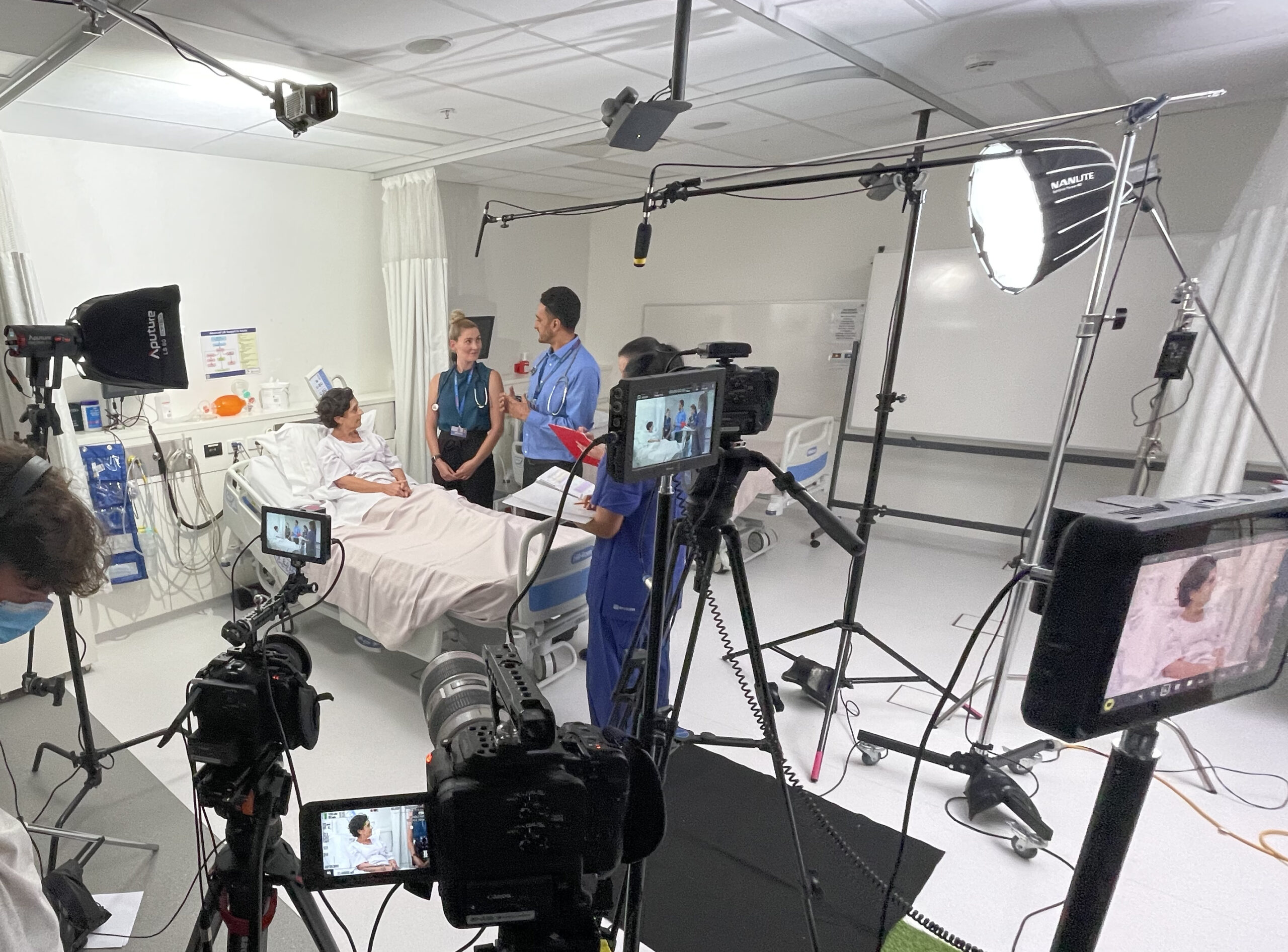
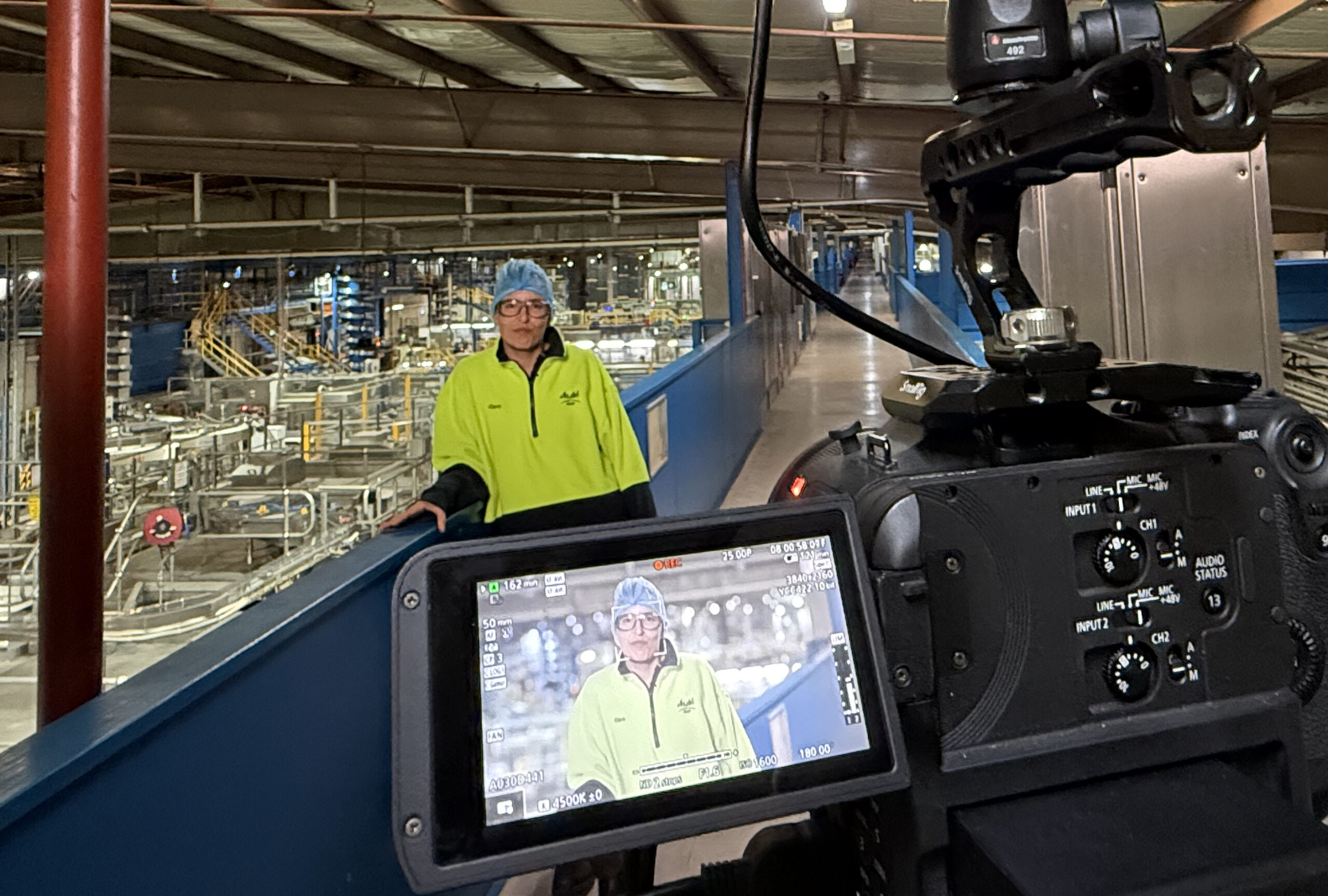
This is the filming phase — cameras, lights, mics, crew, talent, and locations.
But production costs vary significantly depending on:
Crew size (solo operator vs multi-person crew)
Number of filming locations
Lighting setups
Camera and lens selection
Audio capture
B-roll requirements
Travel time across Melbourne
Time on site
Weather and environmental conditions
These variables determine how efficiently the shoot runs — and the overall quality of the final piece.
3️⃣ Post-Production – The Finishing Touches
Think of this as interior design and fit-out — it’s where the story really comes together.
This includes:
Editing
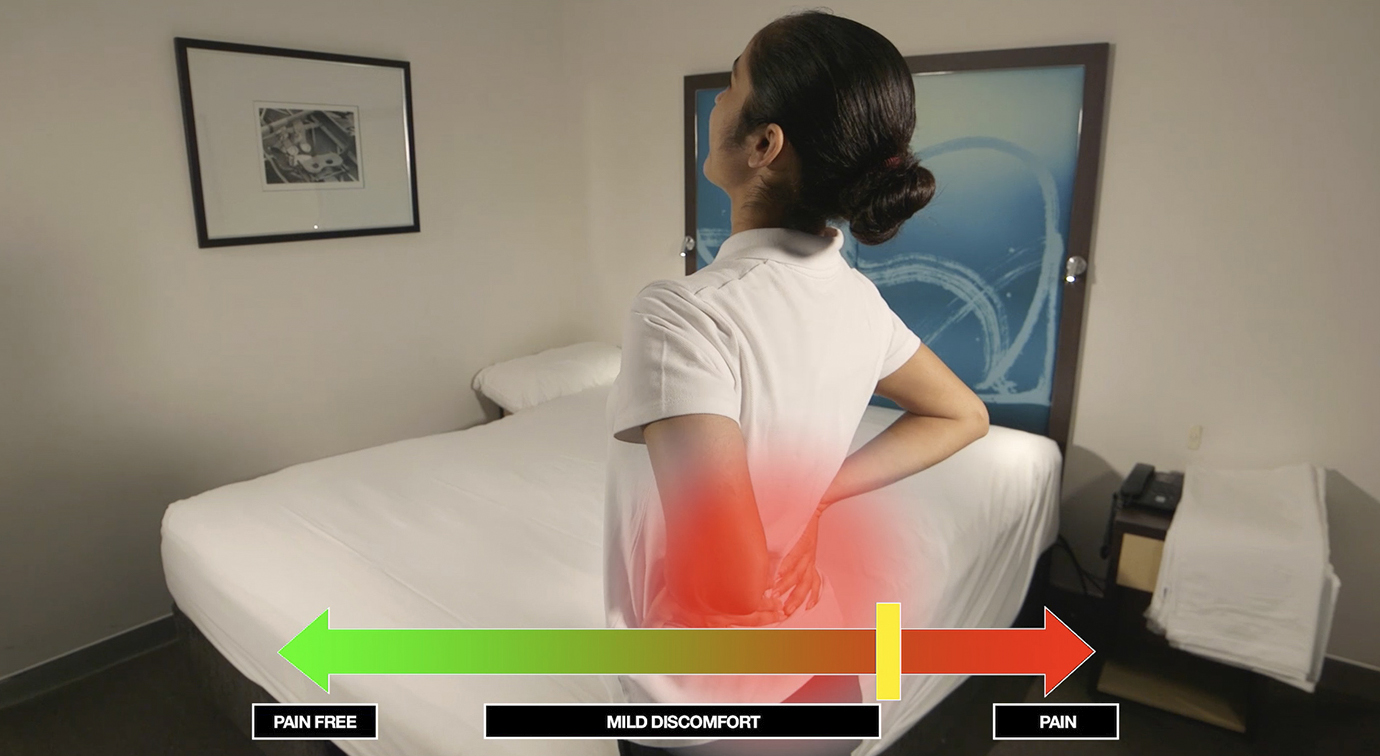
Motion graphics and animated text
Colour grading
Sound cleanup and mixing
Music licensing
Branding and templates
Multiple versions (vertical, square, widescreen)
Review rounds and refinements
It’s where your message comes to life — clear, professional and aligned to your brand.
Seven Common Video Scenarios With Cost Ranges (Melbourne, 2026)
Below are examples based on projects we regularly produce. While pricing always depends on scope, these ranges give you a very realistic guide.
1. Edit-Only Video (Client Supplies Footage)
Great for internal updates, social content or training when you already have footage.
Includes:
Editing
Basic graphics and titles
Music track
Colour and audio cleanup
1–2 review rounds
Investment: $600 – $3,000+
(depends on length, graphics, and number of deliverables)
2. Recruitment & Meet-the-Team Video Packages
We film 5–6 team members in one day, capturing interviews and overlay footage.
Deliverables often include:
A hero recruitment video
Individual staff stories
B-roll of your people and workplace
Investment: $5,500 – $10,000
(Efficient because multiple videos are captured in one shoot)
3. Learning & Course Content (Training Videos)
Ideal for compliance, onboarding or e-learning modules.
What we can usually achieve:
1–2 hours of finished training content filmed in a day
Full multi-camera setup
Breakout modules
Animated slides, text overlays, stock footage
Rule of thumb:
Recording takes roughly 3-4× the length of the final content.
Investment: $4,000 – $12,000+
(depends on animation and number of modules)
4. Case Study Videos (Documentary-Style)
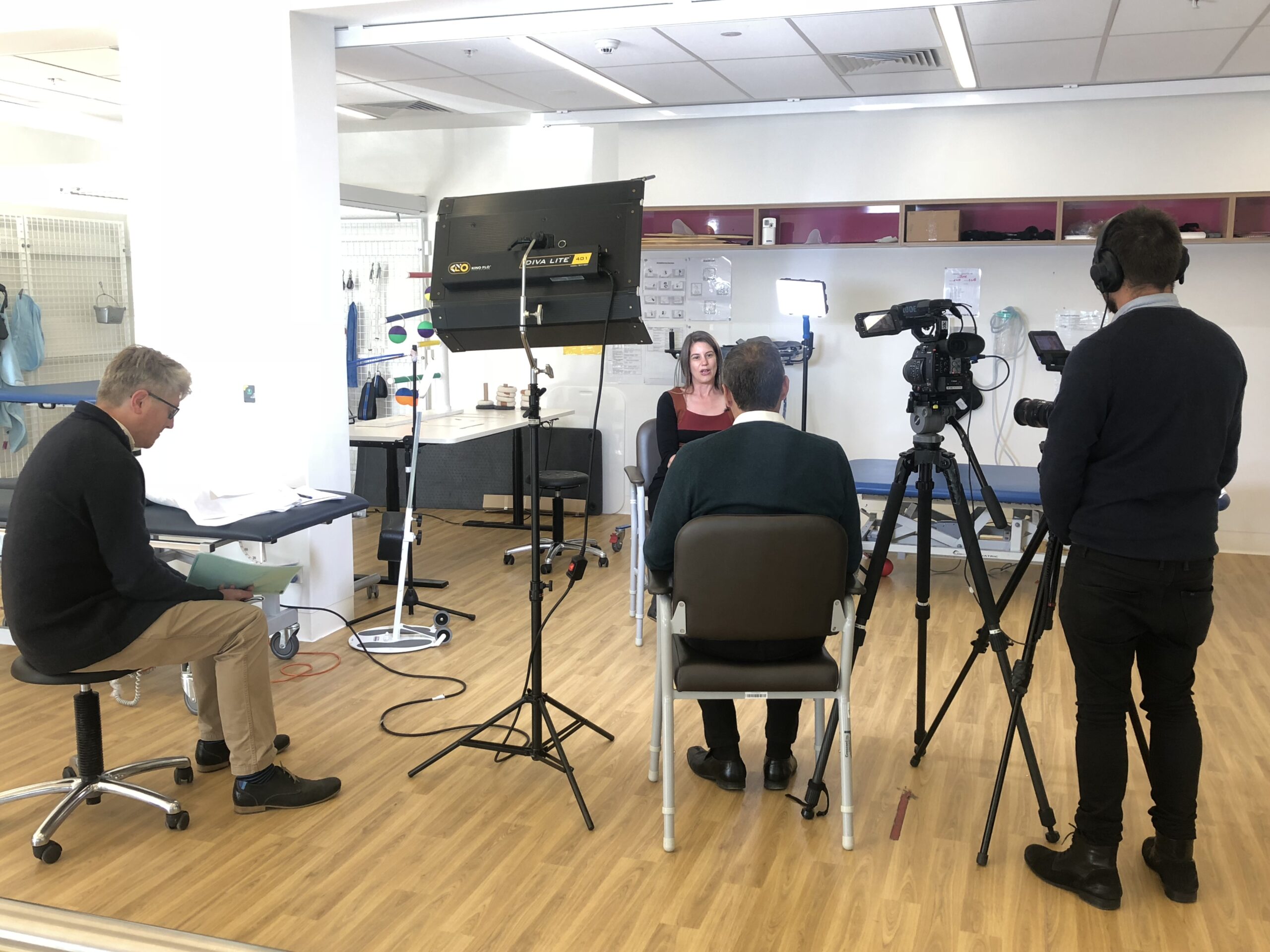
These dig deeper with on-location interviews and meaningful storytelling.
Usually includes:
In-depth interview
B-roll around their environment
Often 2–3 locations
Optional supporting interviews
Drone footage if needed
Timeframes:
1 case study = approximately half-day
2–3 case studies can be filmed in one day (depending on travel)
Investment: $3,000 – $10,000 per case study
5. Video Podcast Production
We bring a portable podcast studio to your workplace.
Includes:
3-camera setup
Professional audio
Lighting
Branding and titles
Short or long episodes
A half-day can capture several episodes — ideal for content batching.
Investment: $2,500 – $8,000
(depends on number of episodes and edit complexity)
6. Event Coverage – Full Presentations
Perfect for conferences, seminars and leadership events.
Includes:
Full-day filming
Two cameras
Direct audio feed from venue sound desk
Full-length edits of each presentation
Slides integrated into the edit
Investment: $4,000 – $10,000+
7. Event Highlight Reels
Dynamic, energetic videos capturing the atmosphere, people and key moments.
Used for:
Social media
Event wrap-ups
End-of-day screenings
Promotional teasers
Investment: $2,500 – $8,000
(depends on speed of turnaround and required edits)
How to Budget for Video in 2026
Here’s how most Melbourne businesses plan their video spend:
Basic / Simple Content
$1,000 – $5,000
Internal communications, simple edits, lightweight filming.
Professional Corporate Videos
$5,000 – $20,000
Recruitment, brand stories, case studies, training modules.
High-End or Multi-Video Campaigns
$20,000 – $75,000+
Complex production, multi-day shoots, animation-heavy content.
Annual Content Partnerships
Increasingly popular — especially for organisations planning 6–12 months of consistent output.
Annual budget range: $30,000 – $250,000+
(depends on volume and content mix)
Final Thoughts: The Question Isn’t “How Much?” — It’s “What Are We Building?”
After producing more than 10,000 videos over nearly 30 years, we know this better than anyone:
A successful video isn’t determined by the price tag – but by how well it achieves its purpose.
Once you’re clear on:
who the video is for
what it needs to communicate
where it will be used
how polished it needs to be
and how many versions you need
…the cost becomes clear very quickly.
And our team is here to guide you through every step — from concept to delivery.
Frequently Asked Questions About Video Production Costs
Professional video production in Melbourne can cost anywhere from around $1,000 for simple content to $20,000 or more for larger corporate productions. At Visual Culture, typical projects include edit-only videos from $600–$3,000+, training videos from $4,000–$12,000+, and corporate case study videos from $3,000–$10,000. More complex, multi-video productions can exceed $20,000. The final cost depends on the scope, filming requirements, editing and number of deliverables.
The main cost factors are pre-production planning, filming time, crew size, locations, equipment and post-production complexity. Scriptwriting, animation, motion graphics, additional filming days and multiple versions can also affect the budget. A well-defined brief helps identify which production elements are essential and where costs can be managed without compromising the video's purpose.
Workplace training and educational video projects typically range from $4,000 to $12,000 or more, depending on the number of modules, filming requirements and editing complexity. Presenter-led training, practical demonstrations, animated explanations and professional education content all require different approaches. Recording several modules during one filming session can help reduce the average cost per video.
Often, yes. Planning multiple videos together allows you to share production costs across several deliverables. For example, one filming day might capture employee interviews, training demonstrations or several educational modules. This reduces repeated setup, travel and crew costs. Thinking about your video requirements over six or twelve months can help you build a more useful content library and make better use of your production budget.
Start by outlining your video's purpose, intended audience, key messages and where the finished content will be used. It also helps to identify the number of videos required, preferred filming locations, deadlines and any existing scripts or materials. Visual Culture can then recommend an appropriate production approach and prepare a tailored quote based on the actual work involved, rather than a generic price per minute.