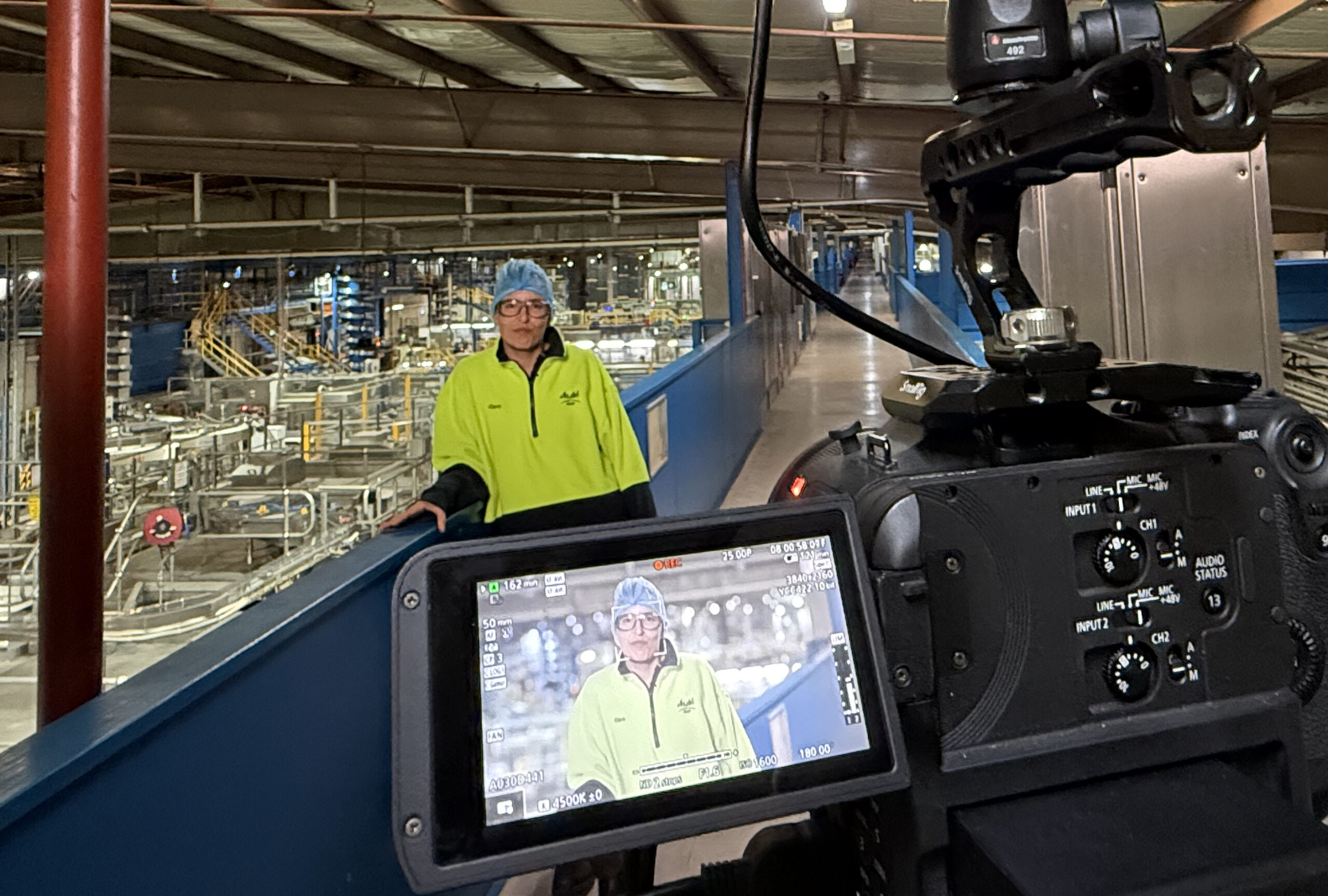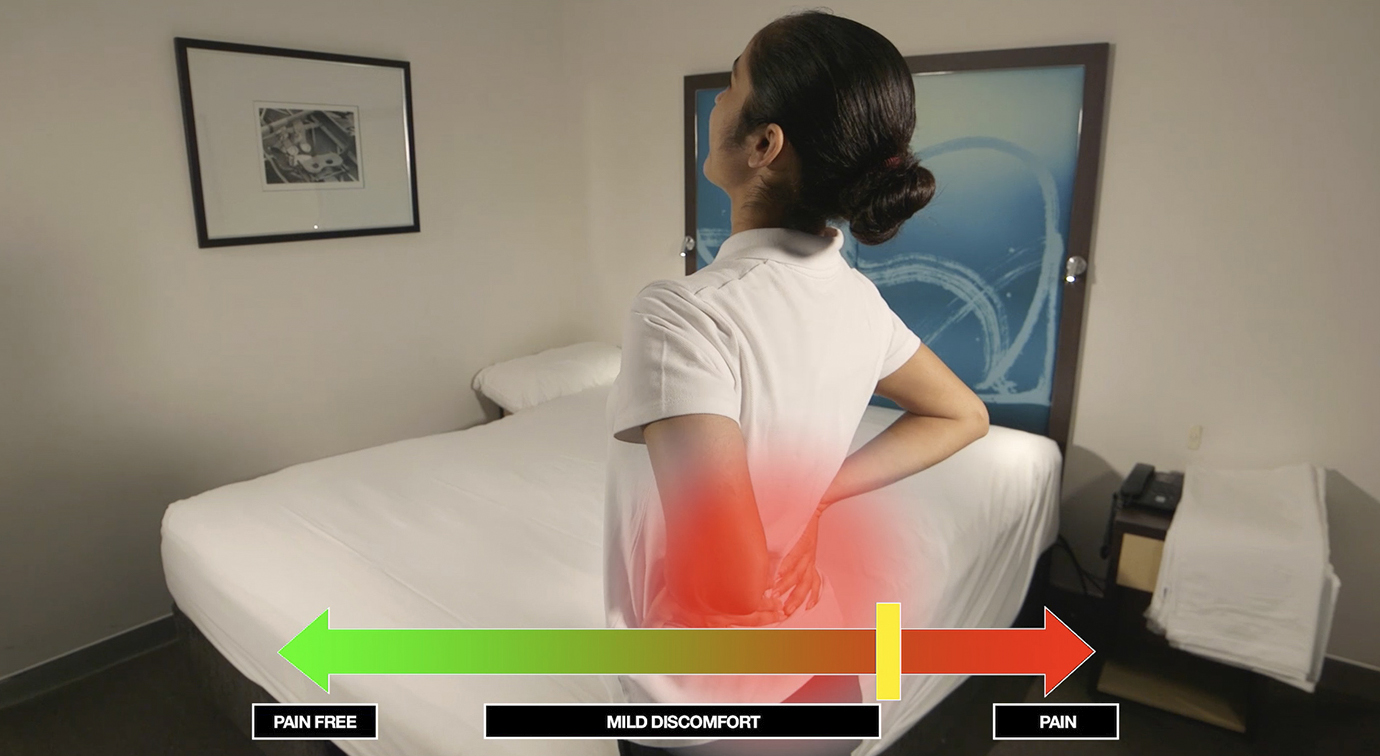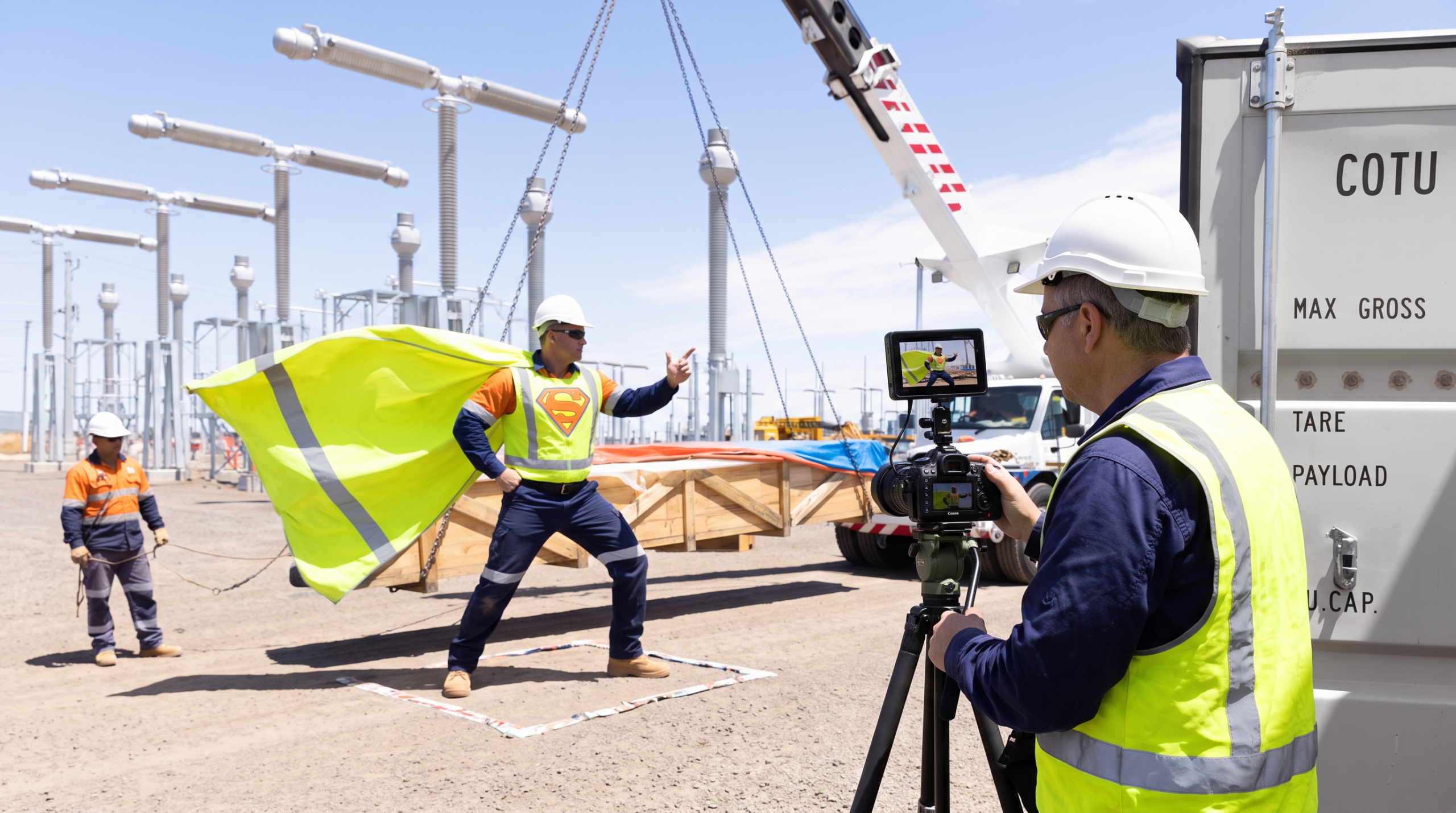
Workplace safety training plays an important role in helping employees, contractors and visitors understand hazards, follow procedures and work safely.
For organisations managing multiple sites, changing workforces or complex safety procedures, communicating information consistently can be challenging. Safety training and induction videos can help by presenting important information in a clear, visual and repeatable format.
Video can be particularly useful for demonstrating safe work procedures, introducing workplace hazards, explaining emergency processes and reinforcing key safety messages. It also allows organisations to deliver consistent information across different teams, locations and shifts.
However, video is most effective when used as part of a broader workplace safety training program. Depending on the task and applicable requirements, employees may also need practical instruction, supervision, competency assessments and opportunities to ask questions.
The goal isn’t simply to produce a video that people watch. It’s to create training content that helps people understand what they need to know and how to apply it in their workplace.
What topics can safety training videos cover?
Safety training and induction videos can be used to communicate a wide range of workplace procedures, hazards and responsibilities. The most appropriate topics will depend on your organisation’s activities, workforce and risk profile.
Common applications include:
- Workplace inductions: Site rules, employee and contractor onboarding, visitor safety and general workplace expectations.
- Hazard identification and risk management: Recognising hazards, understanding risks and following approved control measures.
- Emergency procedures: Fire safety, evacuation processes, incident reporting and emergency response.
- Safe work procedures: Machinery operation, manual handling, working at heights and other task-specific instructions.
- Hazardous substances and environments: Chemical safety, outdoor work, slips, trips and falls.
- Health and wellbeing: Workplace bullying, violence, psychosocial hazards and alcohol and drug policies.
- Working independently: Lone-worker procedures, communication protocols and emergency arrangements.
Video is particularly valuable when learners benefit from seeing a procedure demonstrated or a workplace situation explained visually.
For higher-risk activities, videos should complement appropriate practical instruction, supervision and competency assessment rather than replace them.
What are the benefits of safety training and induction videos?
Safety training and induction videos can help organisations communicate important information consistently, particularly when employees and contractors work across multiple locations, shifts or roles.
Key benefits include:
- Consistent information: Employees and contractors can receive the same core safety messages, regardless of when or where they complete their induction.
- Clear visual demonstrations: Video can show equipment, workplace environments and approved procedures in ways that written instructions alone may not.
- Flexible delivery: Videos can be incorporated into face-to-face inductions, online learning platforms and refresher training programs.
- Reduced repetition: Frequently delivered information can be recorded, allowing trainers and safety personnel to spend more time answering questions and providing practical instruction.
- Accessibility: Subtitles, translated versions and clear visual explanations can help make safety information more accessible to different audiences.
- Easier updates: When procedures or equipment change, individual videos or sections may be updated, depending on how the content was originally produced.
Can video replace face-to-face safety training?
Not always. Video is a communication and learning tool, not a substitute for every form of workplace safety instruction.
Depending on the work being performed and applicable legal requirements, organisations may also need practical demonstrations, supervised training, competency assessments and records of completed instruction.
Safety managers and subject matter experts should review video content to ensure it reflects the organisation’s approved procedures and current requirements.
The most effective approach is to use video where it adds value, as part of a broader workplace safety training program.
Planning a safety training or induction video?
Effective safety videos begin with a clear understanding of your workforce, the information they need and the procedures they must follow.
At Visual Culture, we work with safety managers, WHS teams and subject matter experts to turn approved safety information into clear, engaging video content.
Whether you’re planning a workplace induction, demonstrating a safe work procedure or developing a series of training videos, we can help you plan and produce content suited to your organisation.
Explore our Workplace Safety Video Production services or contact Visual Culture to discuss your project.
Frequently Asked Questions
What should be included in a workplace safety induction video?
A workplace safety induction video should cover the information employees, contractors or visitors need to understand before entering or working at a site. This may include site rules, common hazards, emergency procedures, reporting processes, required protective equipment and relevant safe work practices.
The content should be tailored to the workplace and reviewed by the organisation’s safety team to ensure it reflects approved procedures and requirements.
Are safety induction videos suitable for contractors and visitors?
Yes. Safety induction videos can provide contractors and visitors with consistent information about site-specific hazards, access requirements, emergency arrangements and expected behaviours.
Different versions may be needed depending on the audience, the activities they will undertake and the risks they may encounter.
Can safety training videos be used in an online learning platform?
Yes. Safety training videos can be incorporated into learning management systems (LMS), online induction programs and other digital training environments.
Organisations can combine videos with supporting materials, knowledge checks and completion records where appropriate. The exact options depend on the learning platform and training requirements.
How often should workplace safety training videos be reviewed?
Safety training videos should be reviewed whenever relevant procedures, equipment, workplace conditions or requirements change. Organisations may also establish regular review schedules as part of their safety management processes.
The appropriate review frequency depends on the subject matter, workplace risks and applicable requirements.
Can safety training videos replace practical instruction?
Not in every situation. Video can explain hazards, demonstrate procedures and reinforce important information, but some tasks require hands-on instruction, supervision or competency assessment.
Safety training videos are generally most effective when integrated into a broader training program designed around the work being performed and the needs of the learners.