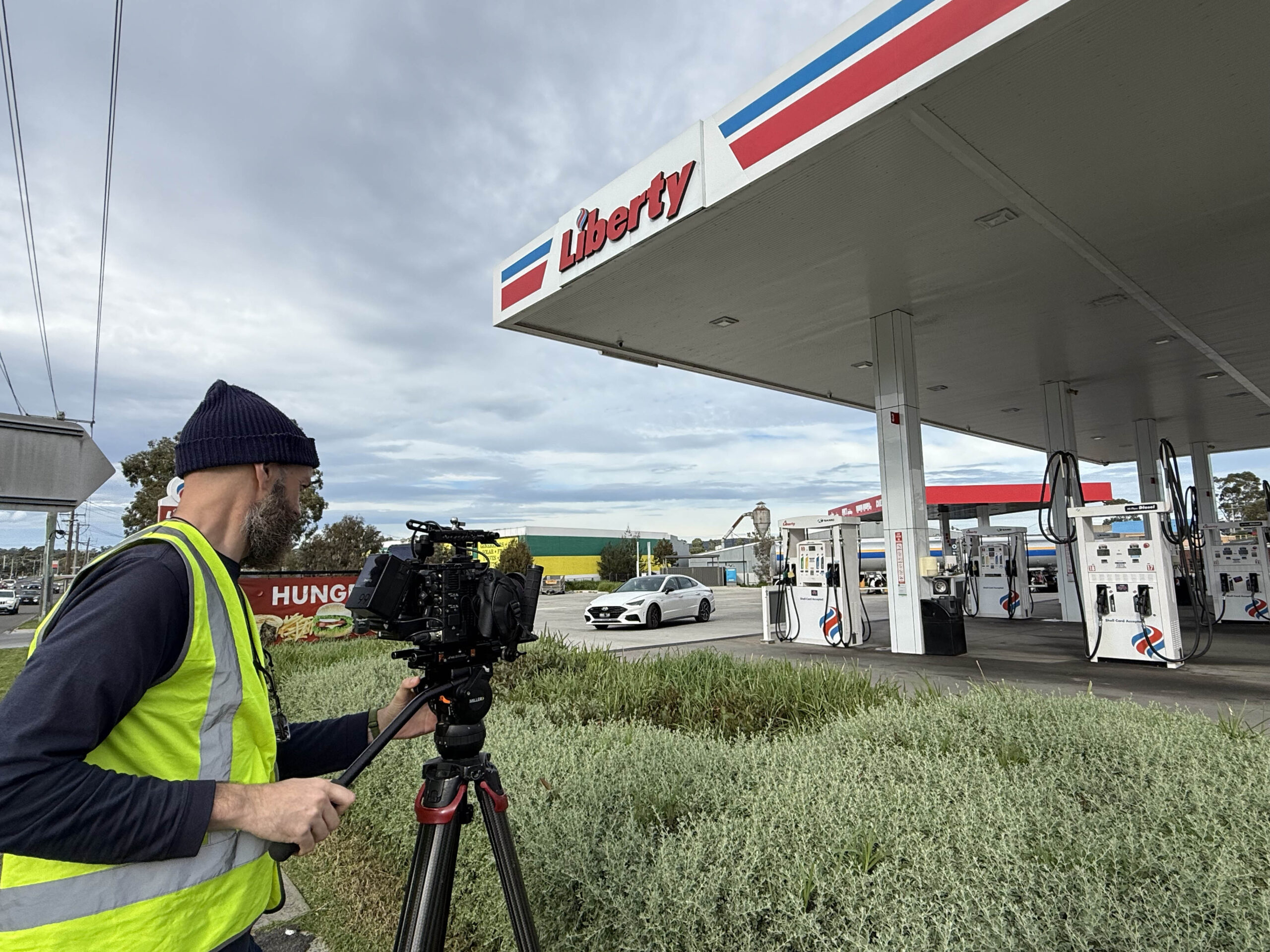
For the past three years, in the quieter gaps around work and family life, I’ve been working on a personal documentary project.
This summer I reached one of the biggest milestones in the editing process. After recording more than 70 interviews and capturing over 100 hours of material, the task of shaping it into a two-hour film is now well underway.
But the process has raised an important question.
How do you respectfully tell a story that involves deeply sensitive experiences?
It’s a question that extends far beyond documentary filmmaking. Anyone involved in storytelling – whether in film, corporate communications, or brand content – carries a responsibility when real people and real experiences are involved.
A Principle That Applies to Every Story
Over many years of editing story-based content, one lesson continues to prove itself again and again:
Know your audience.
It’s a principle I’ve applied to every video project I’ve worked on. Understanding who the story is for ultimately shapes how it should be told – from the structure and pacing, through to the tone, imagery, and level of detail.
When stories involve difficult or emotional experiences, that understanding becomes even more important.
The documentary I’ve been working on revisits the school bus accident in remote Central Australia that shaped many lives – including my own. Nearly three decades later, the ripple effects of that day are still felt by individuals, families, and communities.
Many of the interviews include deeply personal memories of the event and the years that followed. From the beginning, I’ve been conscious of telling these stories with care – both for the people who generously shared their experiences, and for the communities who may encounter the film.
Why Sensitivity Matters in Storytelling
When a story touches on significant life events, the role of the storyteller changes.
It’s no longer just about creating a compelling narrative – it’s about stewarding someone else’s experience responsibly.
For filmmakers and corporate storytellers alike, this means asking important questions during the creative process:
-
Are we representing people accurately and respectfully?
-
Could this story unintentionally cause distress for someone watching it?
-
Have we considered the long-term impact on the people who shared their story?
In corporate storytelling, these considerations are just as relevant. Organisations often share stories about employees, customers, communities, or moments of challenge and resilience. The intention may be positive, but the way those stories are told can influence how they are received.
Sensitivity doesn’t mean avoiding difficult topics. It means approaching them thoughtfully.
Learning from Other Documentary Storytellers
Part of the editing process for this project has involved researching and watching many other documentaries and films that explore complex or emotional subject matter.
Not simply for storytelling inspiration, but to understand the responsibility filmmakers carry when telling real stories.
How much do they show?
How do they protect the people sharing their stories?
How do they prepare audiences for confronting material?
There’s no single formula, but there is a common thread: the most powerful stories are often the ones told with the greatest care.
Why This Film Will Have Two Versions
As the edit has progressed, it has become clear that there are actually two audiences for this story.
Those directly connected to the event – the people who lived through it, their families, and the wider community – already know the story. For them, the film becomes about filling in the missing pieces of the jigsaw, hearing perspectives they may never have known.
But for a broader public audience, the story needs to be introduced differently. Context becomes more important. The themes need to be carefully guided so viewers can understand not just what happened, but why it continues to resonate nearly thirty years later.
Because of this, the documentary will likely exist in two different versions:
-
A private version for those closely connected to the story
-
A future public version that introduces the story and its themes for a wider audience
Both tell the same story – but in different ways, because the audience shapes how a story needs to be told.
For corporate storytellers, the same principle applies. The same story may need to be told differently depending on whether the audience is internal teams, customers, stakeholders, or the broader public.
The Editing Process Continues
At the moment, my focus is completing the private version of the film.
The rough edit is helping identify where the story needs more visual support – whether through archival photos, stock footage, or additional filming – but the narrative is beginning to take shape.
Working on this project has been a powerful reminder that editing isn’t just about what you include.
Sometimes the most important question in storytelling isn’t simply what the story is –
it’s who the story is for, and how you tell it with care.
If you’d like to learn more about the documentary project, visit:
https://theendlessbend.com