How an Australian hospitality group used practical, role-specific safety training videos as part of a broader initiative to improve workplace safety.
What does effective workplace safety training actually look like? And how do you know when it’s making a difference?
For one Australian hospitality group, the results were encouraging.
Within six months of launching a comprehensive new safety training program, the organisation reported a 60% reduction in workplace injuries.
An important part of the program was a series of short, practical safety videos produced by Visual Culture, designed to help hotel staff, supervisors and management understand and apply safer working practices.
The videos formed part of a broader training package delivered through the organisation’s learning platform.
While the reported reduction reflected the overall training initiative, it reinforced something we believe strongly at Visual Culture: video is most valuable when it’s designed around clear learning objectives and integrated into a wider training strategy.
The Challenge: Making Everyday Safety Training Relevant
Hospitality is a physically demanding industry. From housekeeping and cleaning to moving equipment and interacting with guests, staff perform hundreds of routine tasks that carry potential safety risks.
Many of these tasks become second nature. But without the right techniques, even simple, repetitive activities can contribute to workplace injuries over time.
The challenge for the hospitality group was to communicate safe working practices consistently across multiple properties, different job roles and varying levels of responsibility.
The training needed to be practical, accessible and directly relevant to the situations employees encountered every day.
It also needed to go beyond simply telling people what to do.
Staff needed to see what safe practices looked like in a real workplace environment.
The Solution: Short, Practical Videos for Different Levels of Responsibility
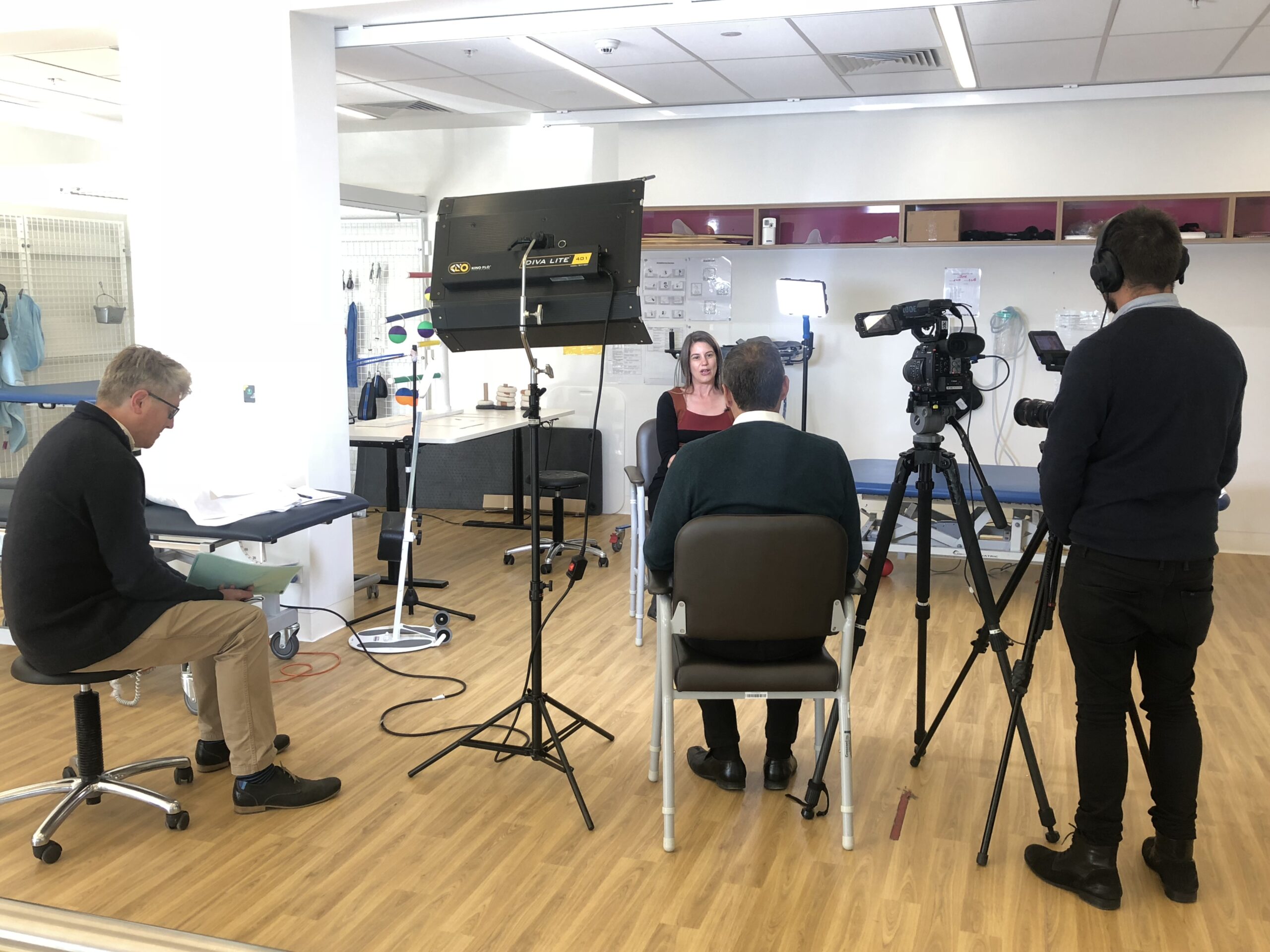
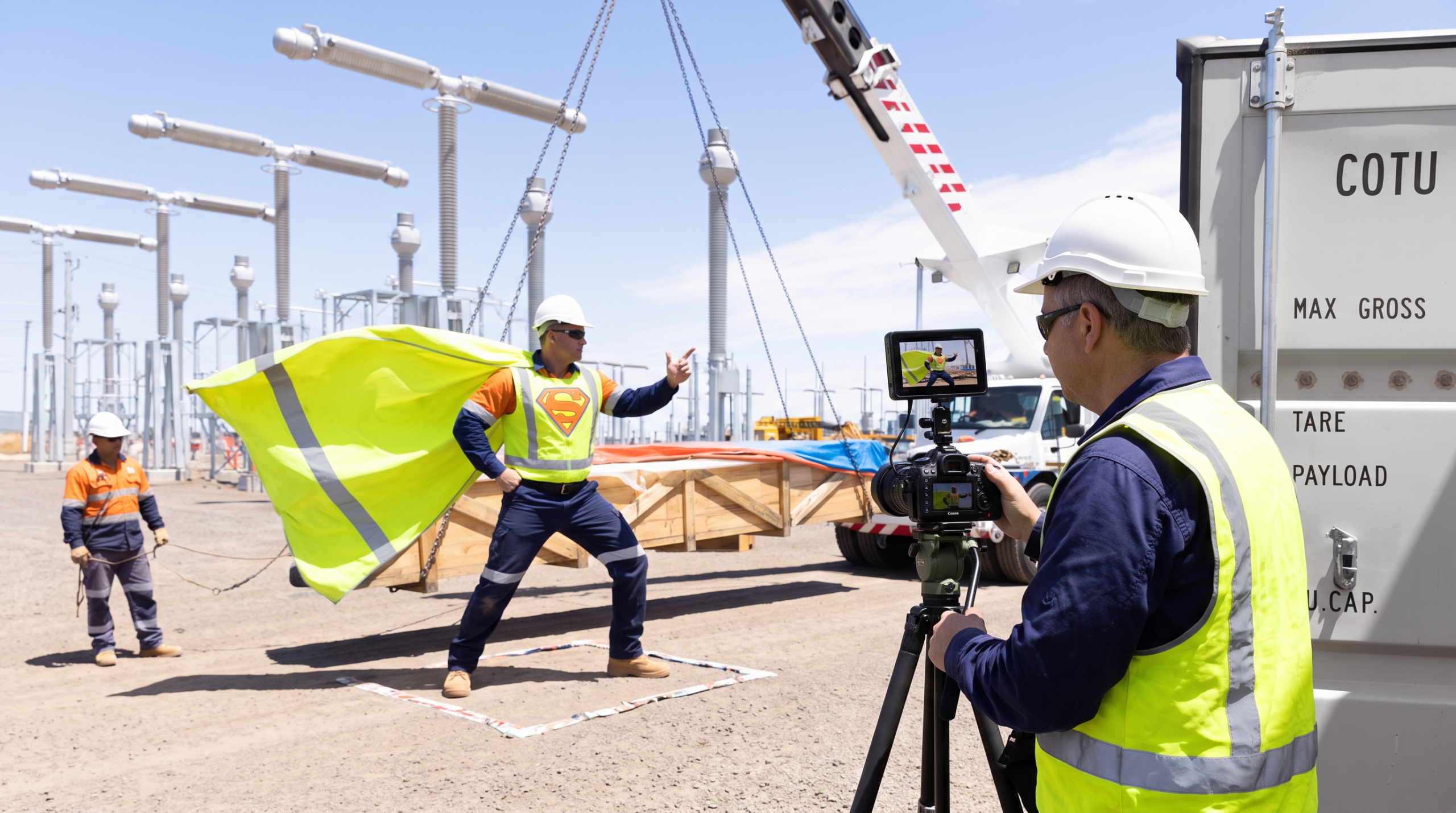
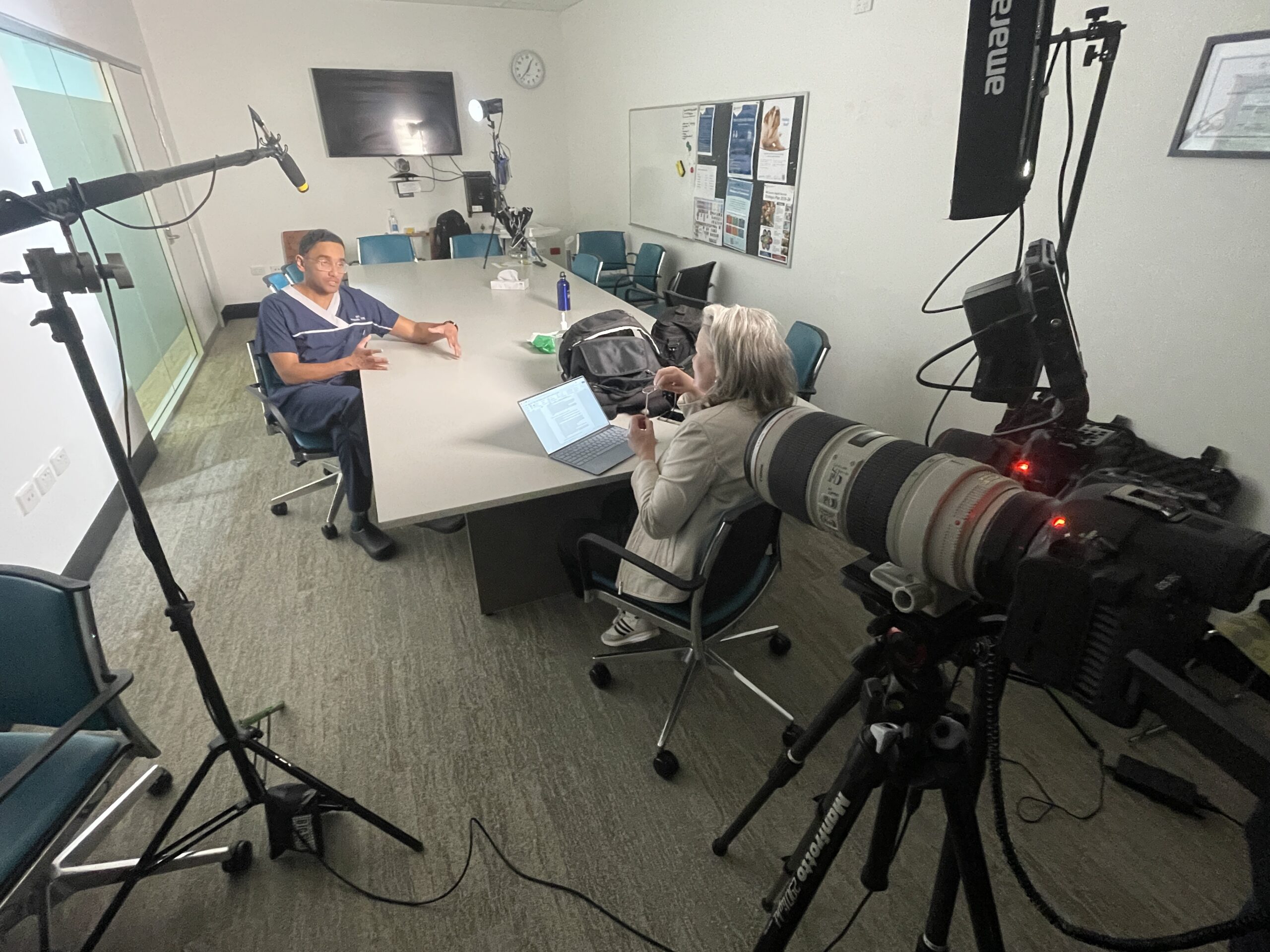
Working across several Melbourne hotels, Visual Culture produced an extensive library of safety training videos featuring real hospitality environments and workers.
Rather than creating one long training film, we developed a series of focused videos, generally between one and two minutes each, covering specific workplace tasks and safety risks.
Topics included:
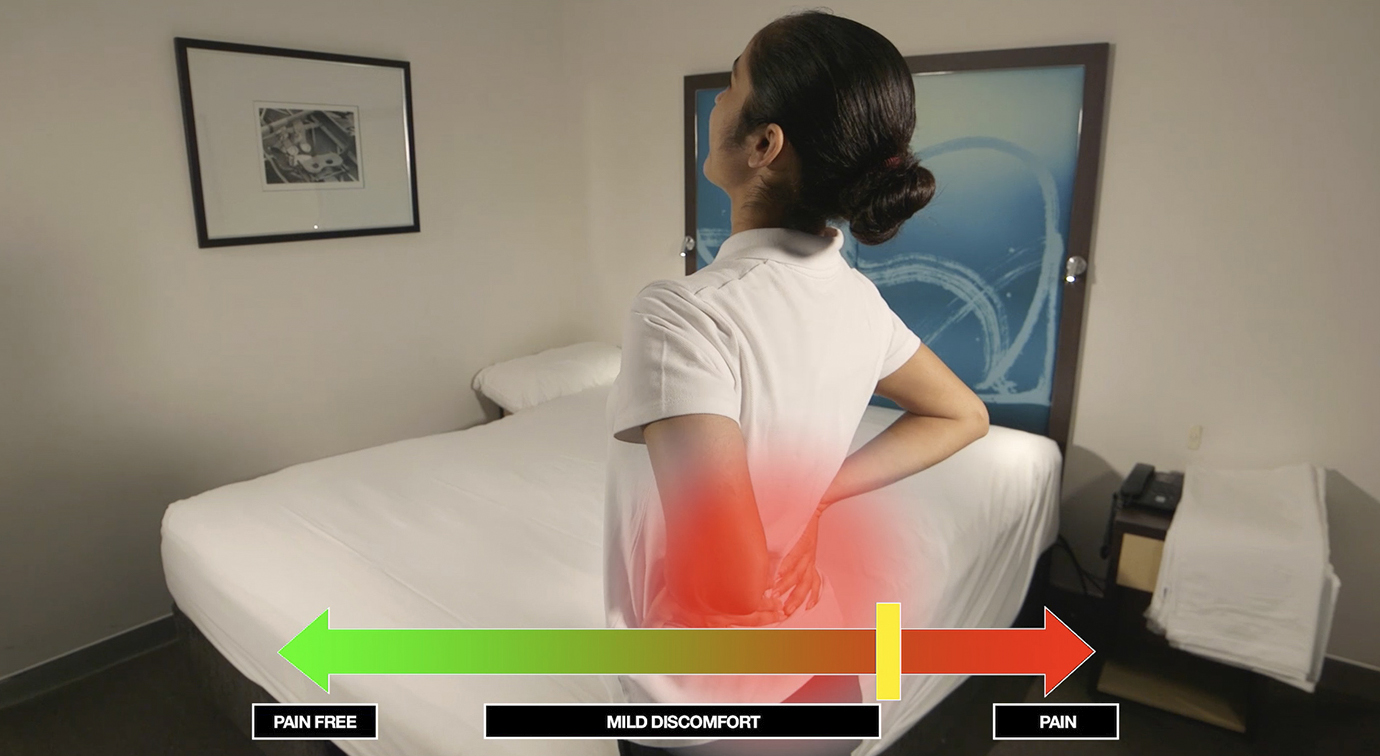
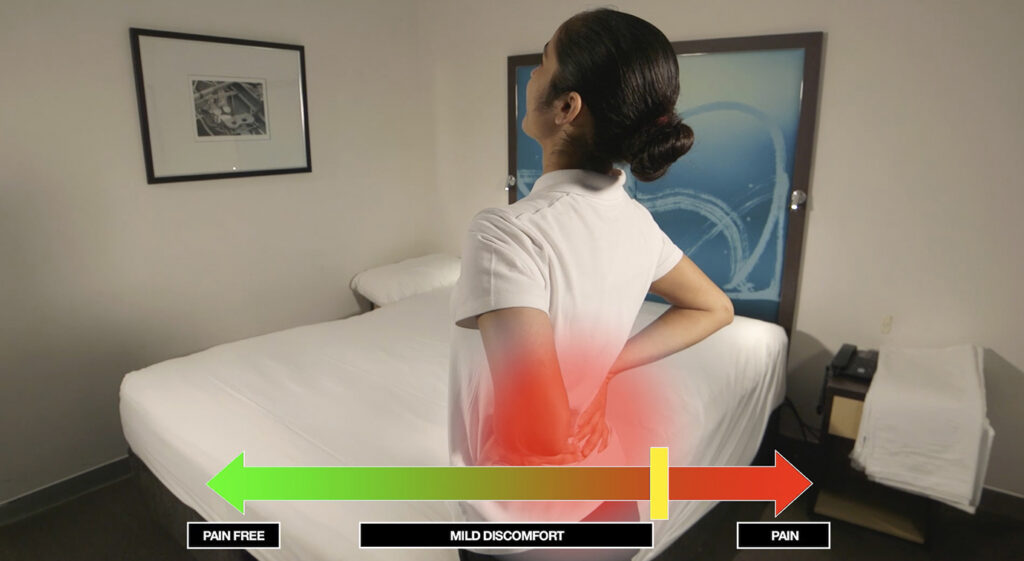
- Safe bed-making techniques and injury prevention
- Correct methods for pushing and pulling trolleys
- Cleaning procedures and safer working practices
- Handling broken glass and other workplace hazards
- Safe interactions with guests and customers
- Reducing risks associated with everyday physical tasks
Each video focused on a specific situation, demonstrating practical techniques in a familiar working environment.
The short format made the content easier to incorporate into individual learning modules and more accessible for staff who needed to revisit a particular procedure.
One Production, Three Levels of Training
An important part of the project was recognising that safety training isn’t the same for everyone.
Frontline employees, supervisors and management have different responsibilities when it comes to creating and maintaining a safe workplace.
Using the content captured across the production, we developed three tailored video series:
1. Frontline staff
Practical demonstrations of safe working techniques and everyday procedures, helping employees understand how to reduce risks while carrying out their daily tasks.
2. Trainers and supervisors
Content designed to support those responsible for reinforcing safe practices, guiding staff and maintaining consistent training standards.
3. Management
Training content aligned with broader workplace safety responsibilities and organisational oversight.
This approach allowed the organisation to deliver relevant messages to different audiences while maintaining consistency across the overall training program.
It also helped maximise the value of the original production investment.
Making the Consequences of Workplace Injuries Real
Alongside the practical training videos, we produced a more narrative-driven piece built around a scenario involving a worker experiencing the long-term consequences of a workplace injury.
Through their story and supporting workplace footage, the video helped communicate the personal impact an injury can have beyond the immediate incident.
This was an important complement to the practical demonstrations.
While instructional videos can show employees how to perform a task safely, storytelling can help explain why those practices matter.
Together, these approaches help make safety training both practical and personally relevant.
The Results: Encouraging Improvements in Workplace Safety
Following the rollout, our client shared feedback suggesting a substantial reduction in workplace injuries and related reporting.
Within the first six months, they indicated that workplace injury reports had reduced by as much as 60%.
While this was informal feedback rather than a formally documented evaluation, it suggested a significant improvement in workplace safety outcomes following the introduction of the broader training initiative.
The videos were one component of that program, helping communicate consistent safety practices across different roles and hotel locations.
For us, the project reinforced the value of integrating practical, role-specific video content into a comprehensive workplace learning strategy.
The Business Case for Investing in Better Training
There’s another important aspect of this project: how the training was funded.
The hospitality group invested in the initiative with financial support from its insurance provider.
This collaborative approach recognised that effective injury prevention can benefit more than just the organisation delivering the training.
Fewer workplace injuries can potentially mean reduced disruption, lower injury-related costs, less time away from work and better outcomes for employees.
For organisations developing safety training programs, it raises a valuable question:
Could insurers, industry partners or other stakeholders help support the development of training that reduces shared risks?
High-quality training content requires investment, but its value should be considered against the longer-term cost of preventable workplace incidents.
And when video assets can be reused across locations, delivered to new employees and incorporated into ongoing training, that investment can continue providing value well beyond the initial rollout.
Five Lessons for Learning and Development Teams
Although this project focused on hospitality safety, the principles apply to many areas of workplace learning, from technical training and onboarding to customer education and compliance.
1. Design for the learner
Different roles need different information. Training is more effective when the content reflects the audience’s responsibilities and everyday challenges.
2. Keep learning focused
Short videos covering specific tasks can be easier to integrate into structured training and revisit when needed.
3. Show, don’t just tell
Real-world demonstrations help translate instructions into practical actions. Showing people how to perform a task safely can make learning more relevant than relying on written instructions alone.
4. Make video part of a bigger learning experience
Video works best when it supports clear learning objectives and sits alongside other training activities, resources and reinforcement.
5. Measure what changes, not just what gets completed
Completion rates and video views can tell you how content is being used, but the more meaningful question is whether training is helping improve workplace outcomes.
Video Is Part of the Solution, Not the Whole Solution
At Visual Culture, we believe the best training videos do more than communicate information.
They help people understand, remember and apply what they’ve learned.
This hospitality safety project demonstrated the value of producing targeted video content that works within a broader training strategy, rather than treating video as an isolated deliverable.
The reported reduction in workplace injuries is an encouraging reminder that well-designed training initiatives can contribute to meaningful outcomes for both employees and organisations.
For learning and development professionals, the opportunity is to think beyond the video itself and consider how visual storytelling and practical demonstrations can support safer, more capable and more confident teams.
Planning a safety training or workplace learning project?
Visual Culture works with trainers, learning and development teams, educators and organisations to create purposeful video content that supports real learning outcomes.
Let’s talk about how video could strengthen your next training initiative.
Frequently Asked Questions About Workplace Safety Training Videos
How can video improve workplace safety training?
Video can improve workplace safety training by visually demonstrating safe working techniques in realistic environments. Short, task-specific videos help employees understand procedures and can be integrated into broader training programs to support consistent learning across different teams and locations.
What are the benefits of short safety training videos?
Short safety training videos focus on individual tasks or risks, making information easier to access and revisit. Videos lasting one to two minutes can be incorporated into learning modules, staff onboarding and refresher training to reinforce safe workplace practices.
How can safety training videos be tailored to different employees?
Safety training videos can be developed for different roles and responsibilities. Frontline employees may need practical demonstrations, supervisors may need guidance on reinforcing safe practices, and management may require content addressing broader workplace safety responsibilities.
Can safety training videos help reduce workplace injuries?
Safety training videos can support injury prevention by demonstrating safer working techniques and reinforcing workplace procedures. In a hospitality training project involving Visual Culture, the client informally reported improvements in workplace injury outcomes following the introduction of a broader training program that included video content. These outcomes cannot be attributed to video alone.
How can organisations fund workplace safety training videos?
Organisations may fund workplace safety training through internal training budgets, industry partnerships or support from insurance providers. In one Visual Culture hospitality project, the organisation’s insurer contributed financial support to a broader workplace safety training initiative.
Why should safety training videos be integrated into a learning management system?
Integrating safety training videos into a learning management system allows organisations to organise content into structured learning modules, deliver consistent information across locations and make training resources accessible for onboarding and ongoing staff development.