Producing effective workplace training videos isn’t simply about turning up with cameras and filming someone performing a task.
The real work begins much earlier.
It involves understanding what people need to learn, working with subject-matter experts to translate their knowledge into clear training content, planning exactly what needs to be captured and then adapting the production to the realities of a working environment.
We recently worked with the Liberty team to produce a series of 28 training videos covering safe work practices and demonstrations of how to use equipment correctly.
Filming took place across several locations, including two stores that remained open to the public throughout production.
The challenge was clear: capture detailed, consistent training content while allowing the stores, their teams and their customers to carry on with business as usual.
Training video production starts long before filming
Like most training video projects, the cameras were only one part of the process.
Before filming, we worked collaboratively with the Liberty team to identify the topics and understand what their people needed to learn.
Importantly, the knowledge came from the people who understood the processes best – their own team.
We provided guidance on how to structure each training script, helping break the information down into logical, step-by-step instructions. The Liberty team then developed the initial content using their own subject-matter knowledge.
From there, we refined the scripts specifically for video.
That meant looking beyond what needed to be said and considering what the learner needed to see.
We added detailed production notes around scenes, shot lists and the visuals required to clearly demonstrate each process.
For training and demonstration videos, that distinction is important.
A written instruction might explain what someone needs to do. Video gives us the opportunity to actually show them.
Turning a training script into a visual plan
Once the scripts were developed, we could begin planning how each topic would be captured.
For every step, we considered questions such as:
What does the viewer need to see?
Do we need a wide shot to establish where the task is taking place?
Would a close-up make an important action clearer?
Is there a particular piece of equipment, control, safety feature or technique that needs to be highlighted?
Does the action need to be filmed from more than one angle?
Are there additional shots that will help explain the procedure during editing?
Working through these questions before the filming day creates a much clearer production plan.
It also means the client’s team knows what will be required of them, equipment and locations can be prepared in advance, and filming time can be used much more efficiently.
That preparation became particularly important once we arrived on location.
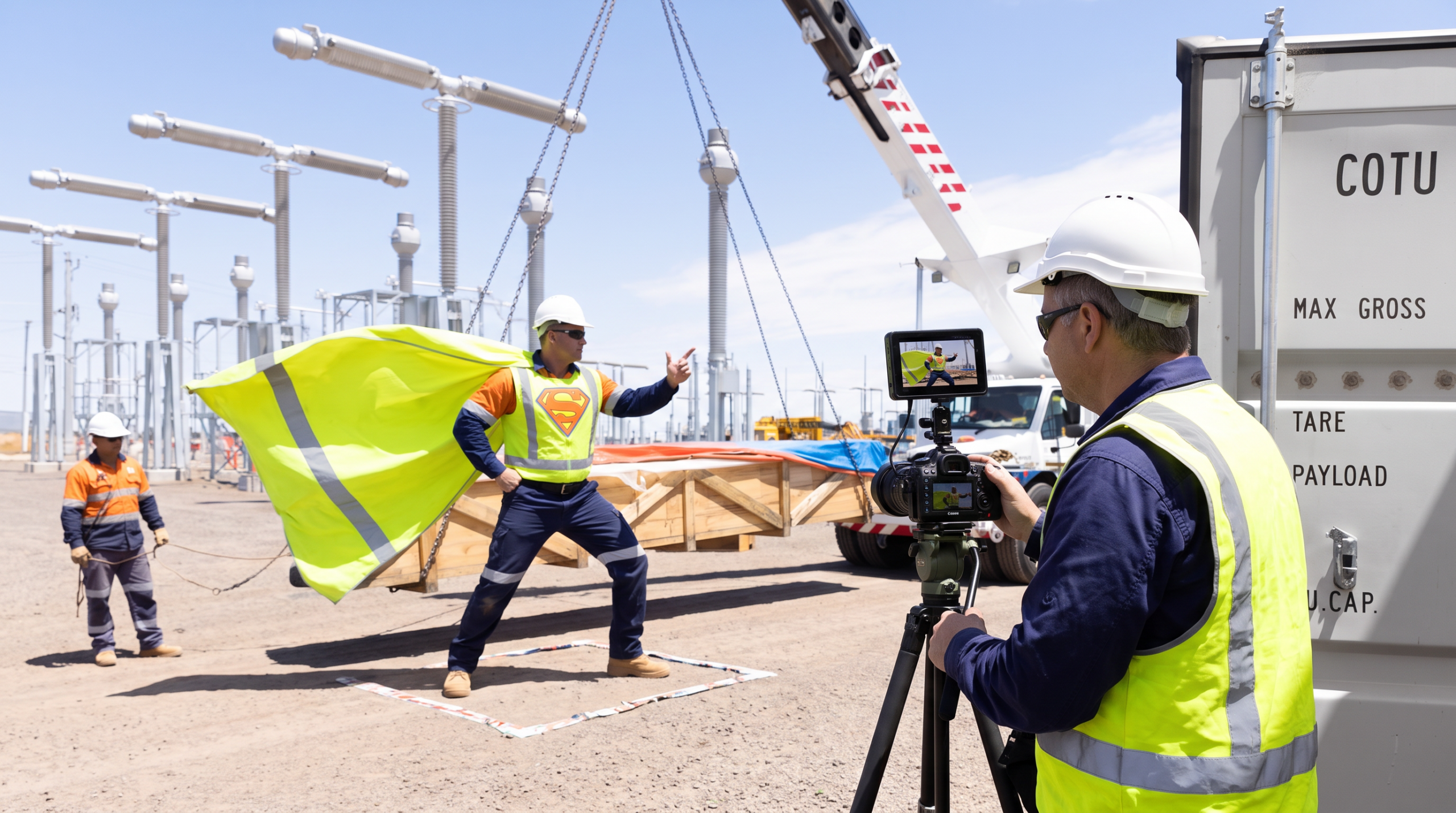
Filming training videos in an operating workplace
Training videos often need to be filmed where the work actually happens.
That’s one of their strengths.
Rather than recreating a workplace in a studio, the viewer gets to see the procedure demonstrated with the actual equipment and in an environment they recognise.
But filming in a working environment brings its own challenges.
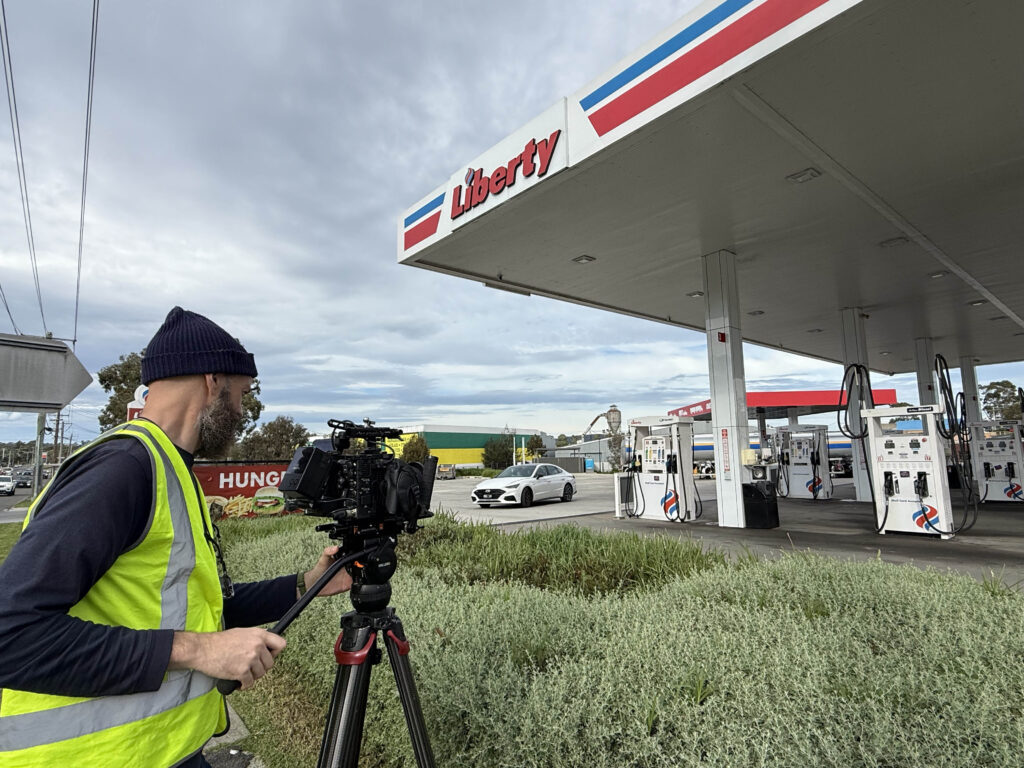
For the Liberty project, production took place across several locations, including two stores that remained open to customers while we were filming.
Our production needed to fit around the workplace – not the other way around.
We needed to capture the shots required for the training modules while respecting customers, staff and the normal workflow of each store.
That meant working efficiently and being prepared to adapt.
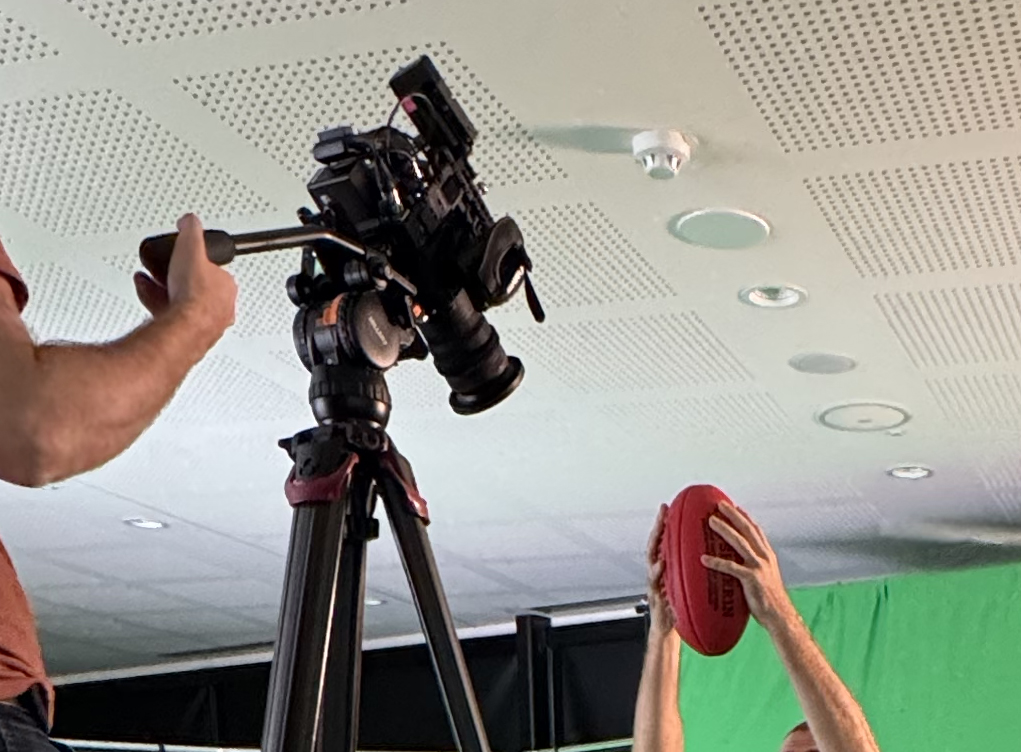
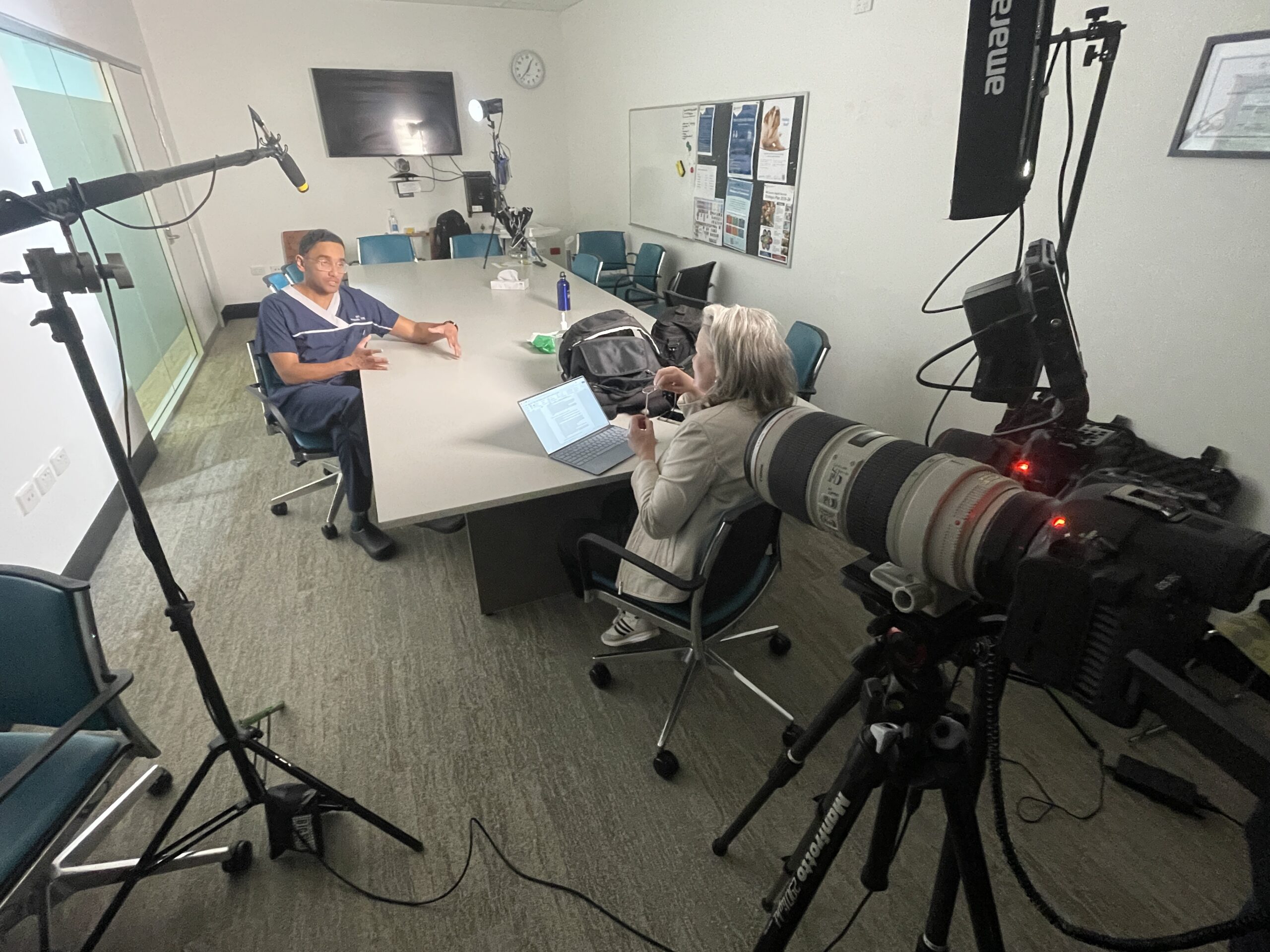
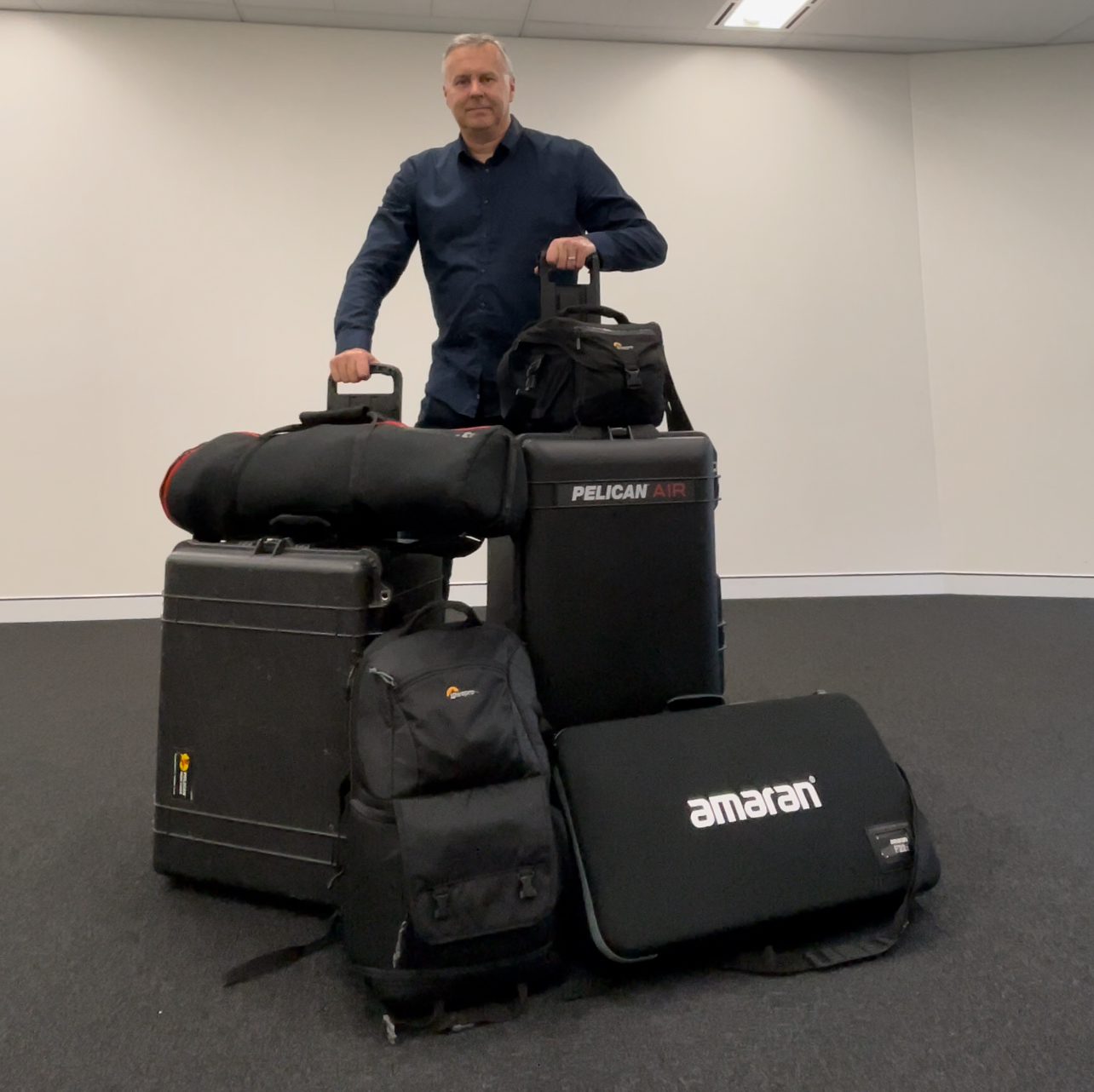
If an area became busy, we could move to another part of the filming schedule and return later. When working in tighter spaces, we scaled down our production equipment rather than filling the area with unnecessary gear.
In larger spaces, we had more flexibility with cameras, lighting and other equipment.
The production setup was determined by what was appropriate for the location and the content we needed to capture.
Good planning creates flexibility
It might seem contradictory, but detailed planning actually gives a production team more freedom to adapt.
Because we already knew the shots and scenes we needed, we could change the order in which they were captured without losing sight of the overall requirements.
That’s particularly valuable when filming in retail, hospitality, manufacturing, community facilities or any other environment where normal operations need to continue around the production.
Our job isn’t to take over the workplace for the sake of filming.
It’s to find the most practical way to capture high-quality content while respecting the people who are trying to do their jobs.
Showing the correct procedure clearly
Once filming begins, the focus moves from planning to demonstration.
For workplace training, a shot shouldn’t simply look good – it needs to communicate something.
We concentrated on making sure each procedure was demonstrated clearly and captured the additional angles and close-ups required to support the instructions.
These details are one of the major advantages of video-based training.
A photograph in a manual might show what a piece of equipment looks like. A video can show someone how to approach it, where to position their hands, which controls to use, the order in which steps should happen and what the correct result looks like.
The viewer can see the procedure rather than having to interpret it from written instructions alone.
What happens when the real process differs from the script?
There’s another reason we treat training video production as a collaborative process.
Sometimes you don’t discover the best way to explain something until you actually demonstrate it.
A procedure might happen in a slightly different order from the original script. A subject-matter expert might identify a clearer way of explaining a step. Or filming the process might reveal that an additional instruction would make the demonstration easier to understand.
That’s why we take production notes throughout filming rather than assuming the original script can never change.
After production, we reviewed the footage against the scripts and refined the content where necessary.
The objective isn’t to make the footage conform to an outdated script.
It’s to make sure the finished training video accurately reflects the correct process.
Why we use temporary voiceovers during editing
For many demonstration-based training projects, we recommend using narration rather than relying entirely on someone presenting every instruction directly to camera.
One advantage is flexibility.
During the first edit, we can use a temporary or demonstration voiceover. This allows the client to review the complete video with the narration, visuals and sequence working together before the final voiceover is recorded.
It’s an opportunity to check:
- Is the procedure accurate?
- Is the terminology correct?
- Does the narration match what’s happening on screen?
- Are the individual steps easy to follow?
- Does anything need further explanation?
- Have any processes changed from the original script?
Once everyone is comfortable with the content, the final narration can be recorded and incorporated into the finished videos.
For training content that may need to remain useful for years, that additional review stage is worthwhile.
From one production to 28 individual training resources
The Liberty project ultimately became 28 separate topic-based training videos.
Breaking the content into individual modules makes the training much more useful than delivering everything as one long video.
Team members can access the particular topic they need without searching through a lengthy training program.
A new employee might work through a series of modules as part of their induction. An existing employee might return to one specific video months later when they need to refresh their knowledge of a particular procedure.
The finished videos were prepared for Liberty to use across their learning and training platforms, creating a consistent resource that can be accessed by their team when required.
Capture knowledge once. Share it many times.
The people who know your business best are your own team.
They understand how equipment should be operated, how processes work, where mistakes commonly happen and the practical details that aren’t always captured in a manual or procedure document.
Our role as video producers is to work with those people and help translate that knowledge into clear, visual training resources.
And that’s where the longer-term value of training video becomes apparent.
Instead of relying on an experienced team member being available every time someone needs to learn a procedure, their knowledge can be captured and shared whenever it’s needed.
Instead of different people receiving slightly different versions of the same training, everyone can see the agreed process demonstrated consistently.
Instead of repeating the same foundational training one-on-one, trainers can spend more of their time answering questions, developing skills and providing the hands-on instruction where it’s genuinely valuable.
And when someone needs a refresher, the training resource is still there.
For organisations with multiple locations, growing teams, regular onboarding or important operational and safety procedures, that can create significant efficiencies in both time and training costs.
Most importantly, it helps turn the knowledge held by individuals into knowledge that can be shared across the organisation.
What knowledge could your organisation capture?
You don’t need to begin with 28 topics.
You might have one important procedure that takes time to teach. A piece of equipment that people need to use correctly. A safety process that needs to be demonstrated consistently. Or an entire collection of organisational knowledge you’d like to turn into a structured learning resource.
You don’t need to have the scripts written either.
We can help you identify what needs to be captured, guide your subject-matter experts through the scripting process, develop the visual approach and plan a production that works around your workplace.
What knowledge or processes in your organisation could be captured once and shared with your team whenever they need them?
Talk to us about a training video series
If you’re considering training or demonstration videos for your organisation, the first conversation doesn’t need to be about cameras or production schedules.
It starts with what your people need to learn.
We can talk through the topics you’re considering, who needs to access the training and how video could become part of your wider learning and development program.
Whether it’s one demonstration or an ongoing library of training content, we can help you work out the most practical place to start.