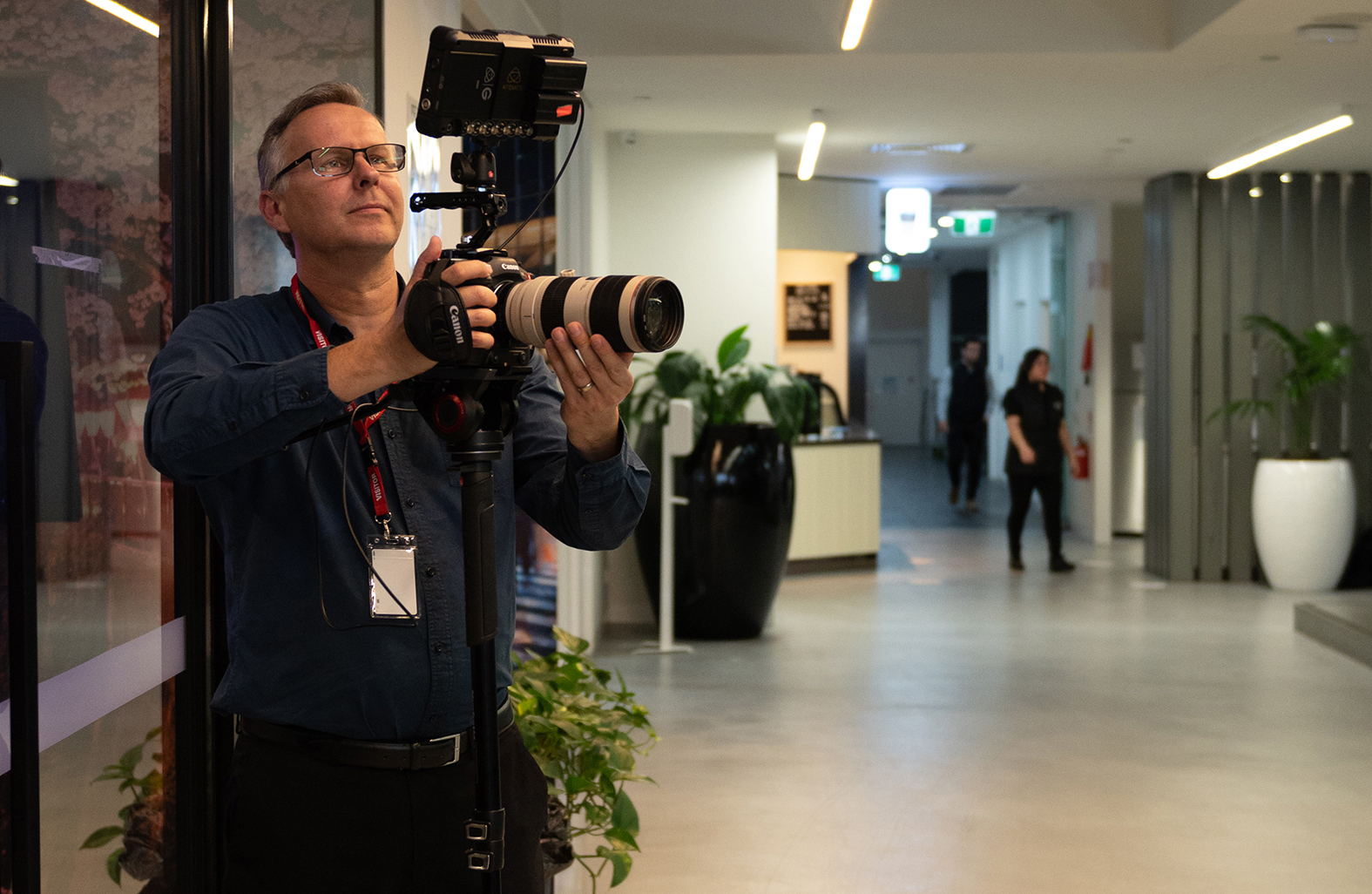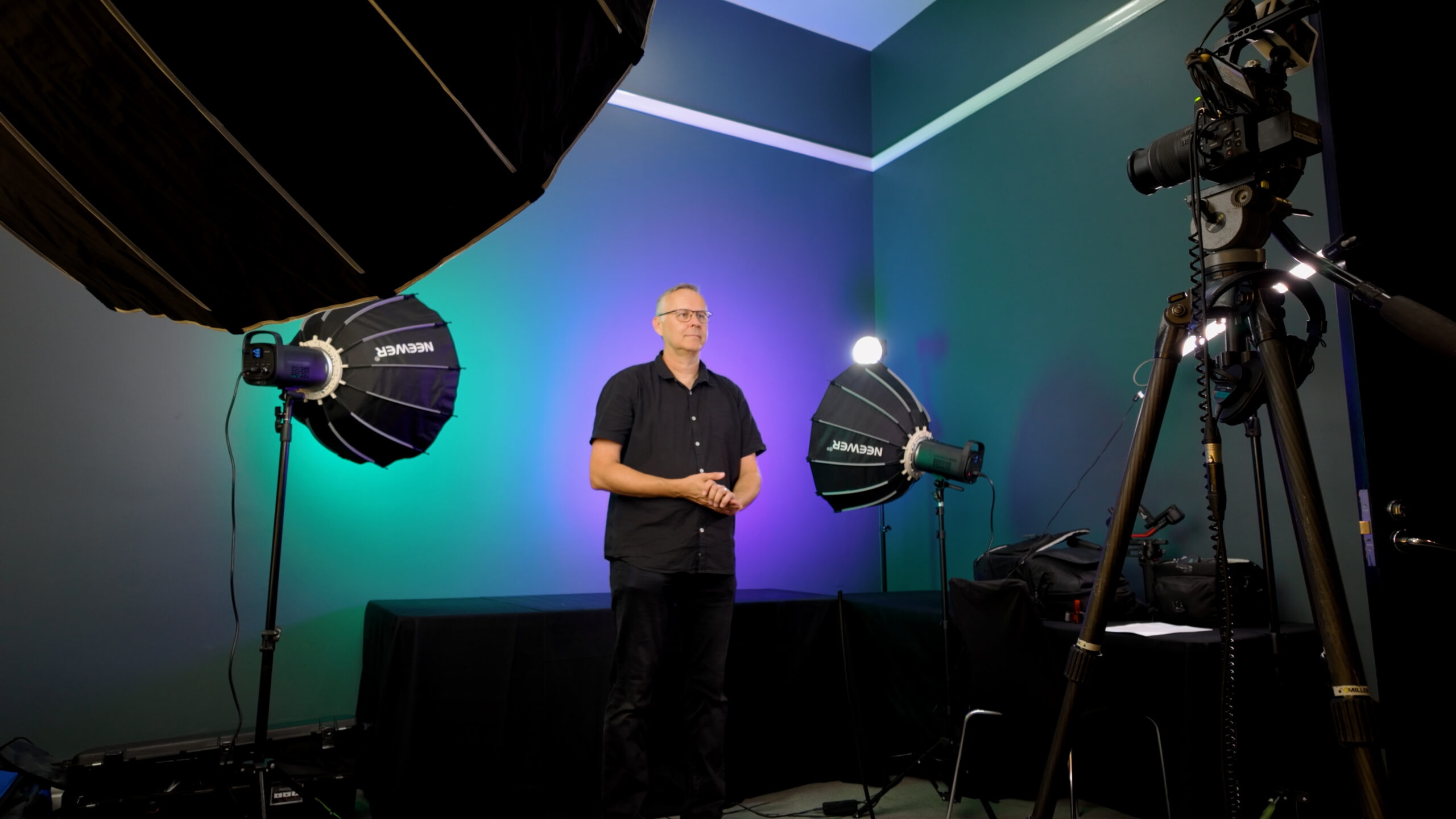
It’s been a great way to kick off 2026, receiving this kind of feedback from clients across a range of projects – and fittingly, the year has started much the same way 2025 ended: filming on the beach.
Beyond the locations and the cameras, one thing has been consistent across the projects that resonate most: clear video strategy and strong alignment.
Whether it’s corporate communications, marketing campaigns, training resources, or event content, effective video content starts with a shared understanding of why the content is being created, who it’s for, and how it will be used.
I’m often reminded of a moment captured in an upcoming project – a line of adults standing shoulder to shoulder in the surf, helping junior competitors run through some daunting waves at a carnival. The waves don’t disappear, but with everyone aligned and working together, the safest and best outcomes are achieved. Video strategy works much the same way.
Start With the “Why” Behind Your Video
Before a camera is switched on, the most important work happens upstream.
Ask:
-
What problem are we trying to solve?
-
Who is the audience — internal, external, or both?
-
What do we want people to think, feel, or do after watching?
Video can support a wide range of business objectives, from leadership communication and cultural storytelling through to marketing, training, and event coverage. When the purpose is clearly defined, every creative decision – tone, format, length, distribution – becomes easier and more effective.
Identifying Where Video Fits Across Your Organisation
A successful video content strategy looks beyond marketing alone and considers how video can support the entire organisation.
Internal video communication
-
Leadership updates and messaging
-
Staff onboarding and induction
-
Training, education, and compliance
-
Cultural and values-based storytelling
External video communication
-
Brand and campaign content
-
Social and digital marketing
-
Customer education and engagement
-
Event coverage and recap videos
Mapping these needs helps organisations avoid reactive, one-off videos and instead build a cohesive, repeatable approach to video production.
Scheduling Video Content for Impact (Not Panic)
One of the most common challenges with corporate video production is timing.
Without planning, video often becomes rushed – created at the last minute, under pressure, and without clear direction. A strategic approach includes:
-
Building a quarterly or annual video content roadmap
-
Aligning video production with key business milestones, campaigns, and events
-
Allowing realistic time for approvals, feedback, and distribution
Even a simple content calendar can transform video from a stress point into a reliable communication asset.
Who Should Be Involved in Video Strategy?
Alignment only happens when the right people are involved early.
Depending on the project, this might include:
-
Leadership and decision-makers
-
Marketing and communications teams
-
HR, learning, or internal comms teams
-
Subject matter experts
-
External video production partners
Early collaboration ensures the video content reflects both strategic intent and practical realities – reducing rework and improving outcomes.
Choosing the Right Approach for Each Video
A strong video strategy isn’t about choosing between professional production, in-house capability, or DIY – it’s about understanding what’s required for each piece of content.
Key considerations include:
-
Purpose and audience
Who is the video for, and how will it represent your organisation? -
Complexity and scale
Storytelling, locations, logistics, and messaging all influence the level of support needed. -
Longevity of the content
Will this video be used once, or repeatedly over time? -
Internal capacity and capability
What resources, skills, and time are realistically available? -
Consistency and alignment
How will tone, style, and messaging remain cohesive across multiple videos?
The most effective video content strategies often combine different approaches, applied thoughtfully across a broader plan.
Alignment Is the Difference
Like those adults standing together in the surf, strong video strategies don’t eliminate challenges – they help teams move through them together.
When leadership, teams, and creatives are aligned around a clear video content strategy, video becomes more than just content. It becomes a powerful tool for clarity, connection, and momentum.
At Visual Culture, we work closely with clients to develop video strategies that align teams, audiences, and objectives – and bring them to life through thoughtful, engaging video production.
We’re looking forward to producing more standout video content in 2026, with several exciting projects already in development.
If you’re thinking about how video could better support your organisation this year, starting with strategy is the best place to begin.