Producing video content across multiple locations can quickly become complex — especially for large organisations with busy sites, diverse stakeholders and tight timelines. For internal communications and marketing teams, the challenge isn’t just telling the story well, but doing it consistently, efficiently and at scale.
This is where process matters just as much as creativity.
One of our largest multi-site projects saw Visual Culture partner with Healthscope to deliver a comprehensive series of hospital tour videos across Australia. The project spanned dozens of locations, multiple states and territories, and a wide range of operational environments – yet the production process remained smooth from start to finish.

Pre-Production: Where Scale Is Won or Lost
With any large, multi-location project, the real work starts long before a camera is turned on.
In this case, we worked closely with the Healthscope team during pre-production to ensure complete alignment across all sites. That meant agreeing on:
-
Question sets and interview structure
-
Key messages and narrative priorities
-
Access requirements and filming permissions
-
Schedules, site constraints and safety considerations
By resolving these details upfront, we removed uncertainty for everyone involved – from hospital leaders to local staff – and created a shared framework that could be replicated nationwide. This collaborative planning phase set the tone for a calm, controlled production, even at scale.
One Framework, Many Stories
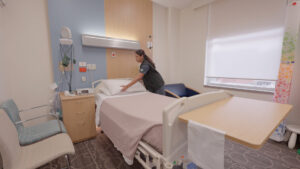
Each hospital had its own identity, culture and community role. The goal wasn’t to flatten those differences, but to capture them within a consistent structure.
At every location, our approach remained the same:
-
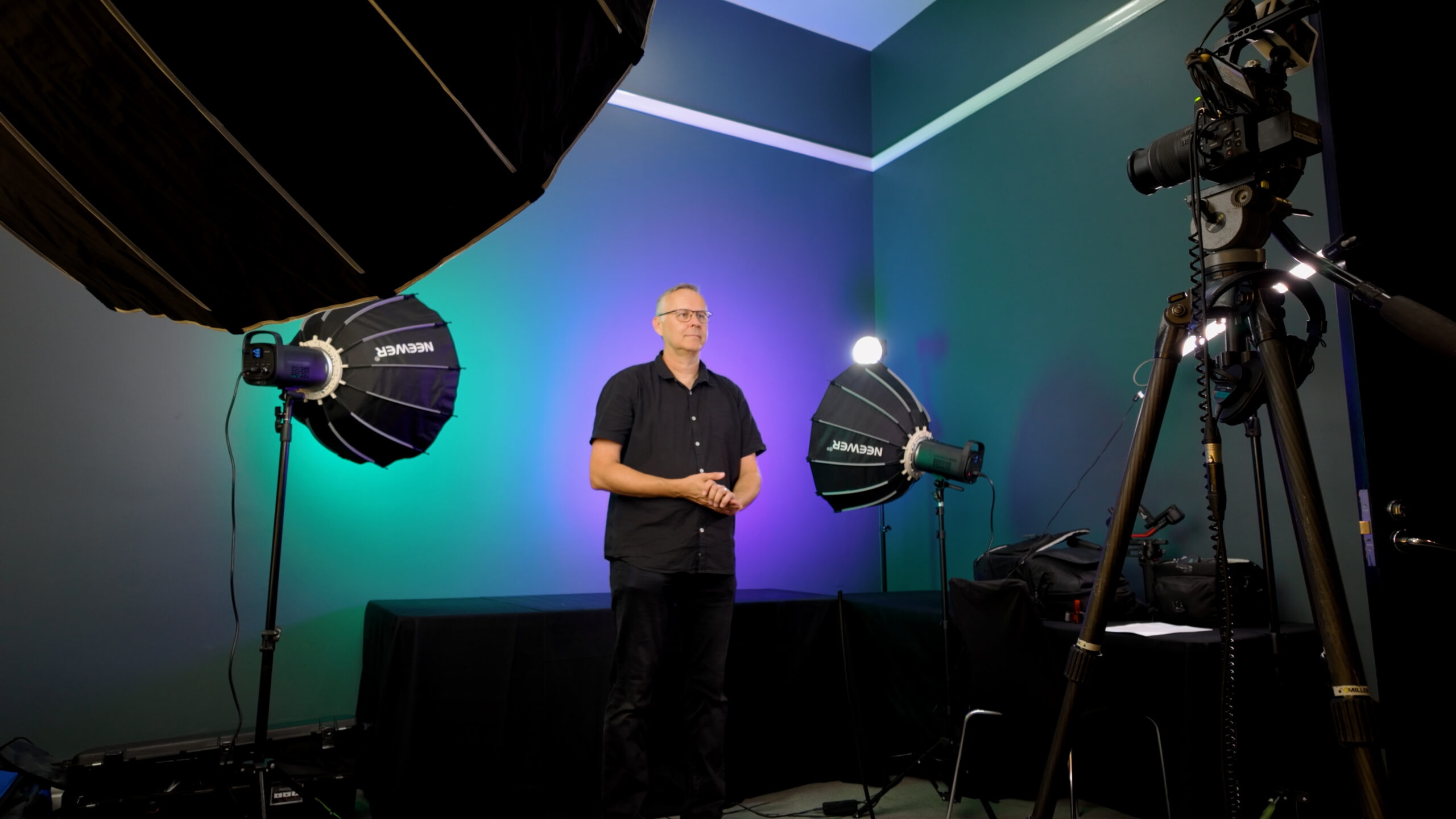
A senior manager interview to anchor the narrative and highlight services, expertise and context
-
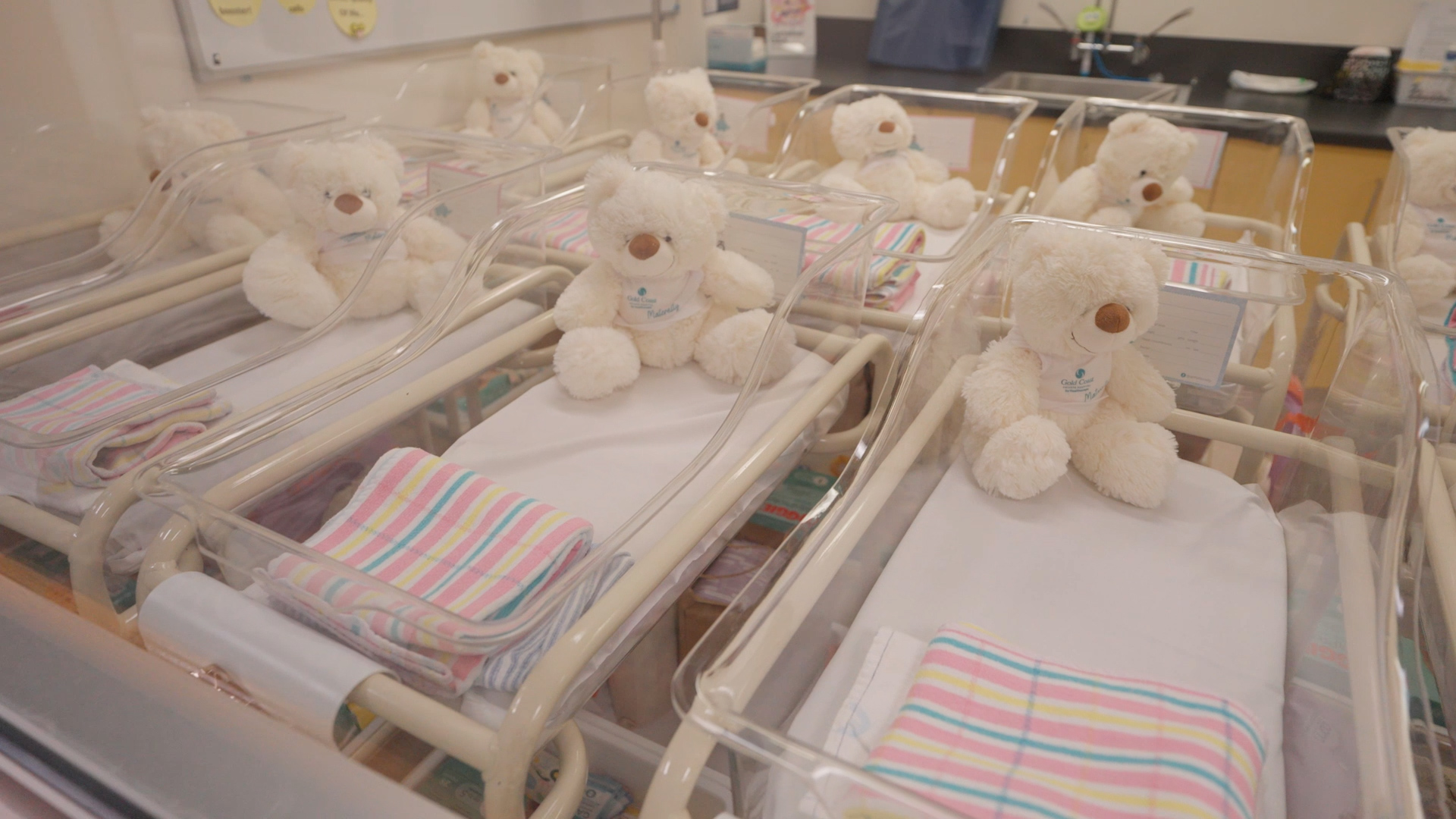
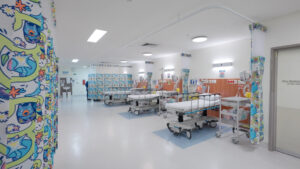
Extensive b-roll across clinical departments, public spaces and exteriors
-
Additional staff soundbites wherever possible to add authenticity and human connection
This repeatable framework ensured efficiency, while still allowing each hospital’s personality to come through on screen.

Smart Crew Structure = Faster Filming
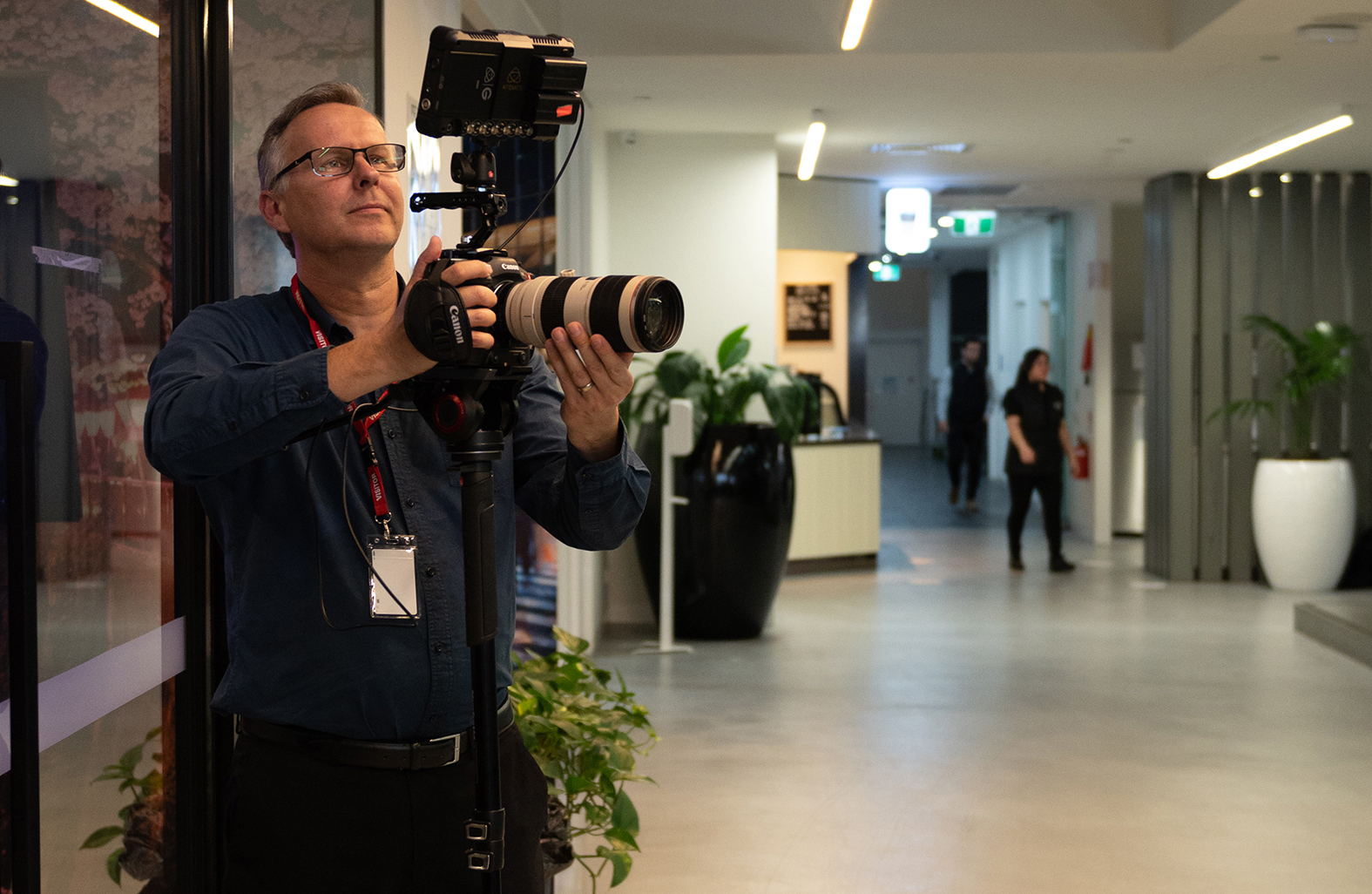
To deliver the project nationally, we coordinated local crews in every Australian state and territory. Each hospital was filmed by a two-person crew:
-
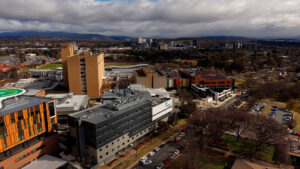
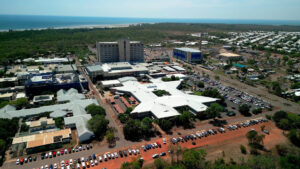
One operator focused on interviews, exteriors and drone footage
-
The second dedicated entirely to smooth, dynamic overlay footage, working closely with a Healthscope representative on site
This division of roles allowed filming to be completed quickly and with minimal disruption. In most cases, hospitals were filmed in half a day, making it possible to capture two – and sometimes three – locations in a single day when required.
For internal teams, this meant less operational impact, fewer scheduling challenges and a far more predictable production experience.
Consistency Behind the Scenes
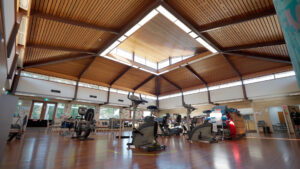
To support this distributed production model, we developed a detailed filming guide for all crews. This ensured visual consistency across locations – from shot types to movement and framing – while still leaving room for each site’s unique features.
An added benefit? The content could later be recombined into broader highlight pieces or campaign assets without visual mismatches – future-proofing the investment from day one.
Streamlined Post-Production at Scale
With content arriving from across the country within a tight timeframe, post-production needed to be just as structured as filming.
Each hospital tour followed the same clear narrative arc:
-
A welcoming overview of the hospital, its people and its specialties
-
A deeper look into departments, resources and standout services
-
A clear call to action, supported by purposeful, high-quality visuals
This repeatable editing structure allowed us to move quickly without sacrificing quality – delivering a cohesive suite of videos within weeks, not months.
Content That Keeps Working
Today, each hospital tour stands as a valuable standalone asset – capturing the strengths, scale and character of each location. What’s been especially rewarding is seeing the content repurposed for new and more targeted communications as needs evolve, from recruitment to internal engagement and external campaigns.
For internal communications and marketing teams, this is often the real win: content that’s designed to scale, adapt and keep delivering value over time.

Why Process Matters
Large, multi-location projects don’t need to be stressful or fragmented. With the right planning, structure and partnership, they can be efficient, collaborative and even enjoyable.
Projects like this reflect where we do our best work – supporting our clients, simplifying complex productions, and helping organisations share their stories with clarity and impact, no matter how many locations are involved.
If you’re considering a large-scale visual project and wondering how to make it manageable, the answer often isn’t “more effort” – it’s a smarter, more intentional process from the start.